
Follow Me On Social Media!
White Bread Bliss: The Easiest Homemade Recipe Ever!

Introduction to White Bread
There’s something utterly captivating about the smell of freshly baked white bread wafting through your home. Picture this: it’s a chilly evening, and as you slice into a warm loaf, the steam rises, releasing a tantalizing aroma that invites everyone into the kitchen. Homemade white bread transforms simple ingredients into a comforting delight that can elevate any meal or snack. Whether you enjoy it toasted for breakfast or as a base for your favorite sandwich, nothing quite compares to that perfect slice with its soft, fluffy interior and golden crust.
Creating your own white bread not only brings a sense of accomplishment but also allows you to tailor the flavors to suit your palate. The beauty of homemade bread lies in its versatility. You can experiment with adding herbs, spices, or even whole grains if you’re feeling adventurous. The act of kneading dough can be almost therapeutic, as you watch the mixture come alive, becoming smooth and elastic under your hands. It’s a grounding experience that connects you to a long-standing culinary tradition.
As you embark on this baking journey, you’ll discover the wholesome ingredients that make up your loaf: flour, water, yeast, salt, and a bit of sweetness from sugar or honey. Each component plays a crucial role in achieving the ideal texture and flavor. For instance, the choice of flour can affect the crust’s crispness, while the fermentation time can influence the bread’s overall flavor profile. The beauty of white bread is that you have complete control over these variables, allowing you to create a loaf that meets your every craving.
So, let’s roll up our sleeves and dive into the world of homemade white bread. Trust me, once you’ve experienced the joy of baking your own loaf, store-bought bread will never taste the same again.
What Makes Homemade White Bread So Irresistible?
When it comes to white bread, its appeal lies in its simplicity and nostalgia. Here’s why you’ll find homemade versions simply irresistible:
- Freshness: There’s nothing like slicing into a loaf that’s still warm from the oven. The freshness enhances every bite.
- Customization: Feel free to alter the recipe—add herbs, seeds, or grains to put your own spin on the classic.
- Texture: The light, airy crumb of white bread offers a delightful contrast to a crispy crust.
- Versatility: Whether for toast, sandwiches, or even dessert, homemade white bread adapts effortlessly to your culinary needs.
With so many experiences waiting for you in each loaf, diving into homemade white bread makes perfect sense. Let’s get to the ingredients and instructions that will lead you to create your very own.
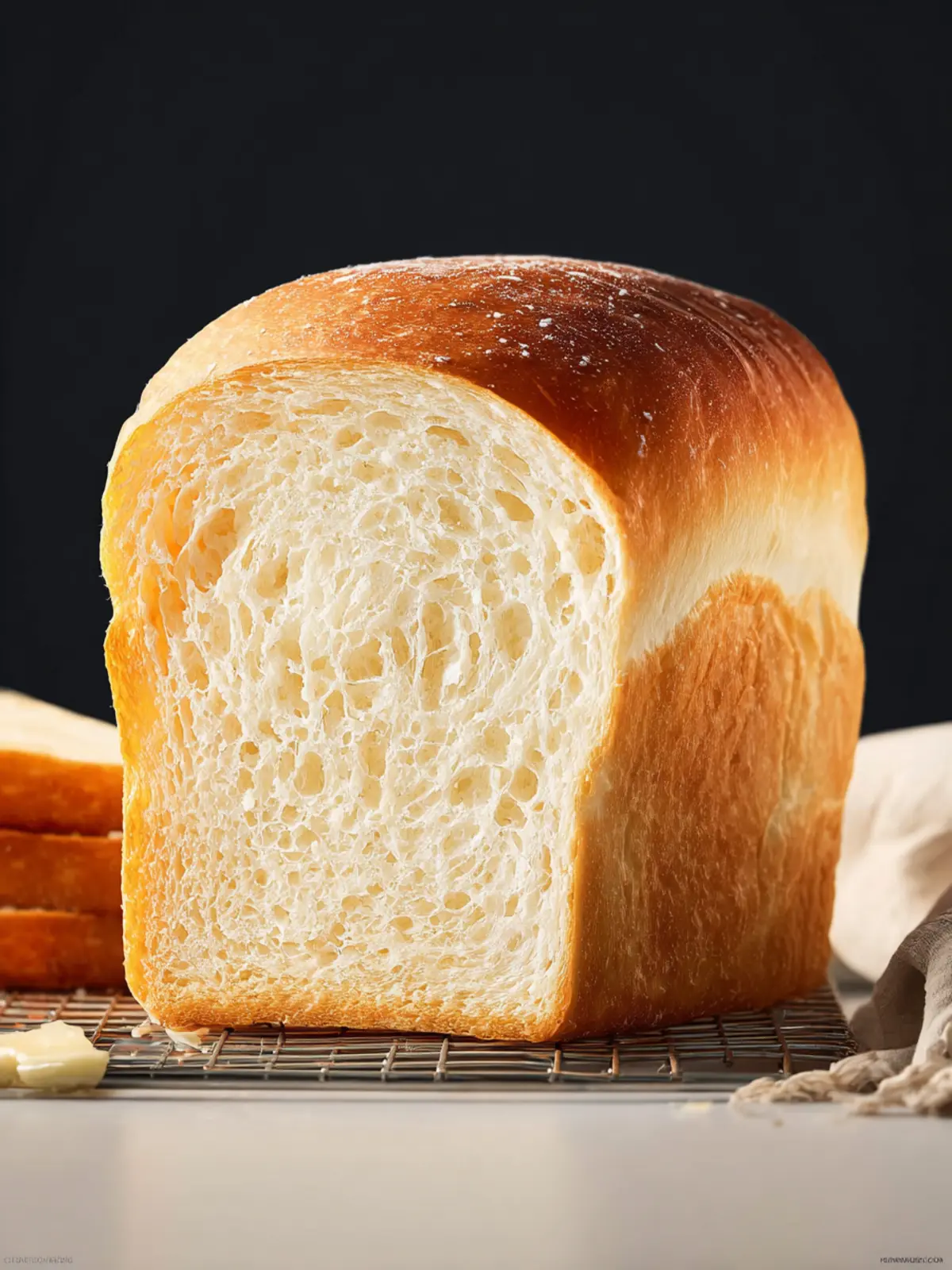
Key Ingredients for White Bread
Creating the perfect white bread is a journey that begins in your pantry. The ingredients you choose can make all the difference in transforming basic elements into a warm, inviting loaf that fills your home with the delicious smell of baking.
-
Flour: I always opt for all-purpose flour for its wonderful versatility. It provides the right balance of structure and softness, perfect for that tender crumb we all crave in homemade bread.
-
Yeast: Fresh or instant yeast works wonders in helping the bread rise beautifully. I prefer instant yeast because it allows for a simpler, faster process without the need for proofing.
-
Water: Using warm water activates the yeast, helping it flourish. It’s essential to strike a balance—too hot, and you risk killing the yeast; too cold, and it won’t activate properly.
-
Sugar: A touch of sugar enhances the yeast’s activity and adds a delicate sweetness. It’s a small amount that plays a big role in achieving that lovely golden crust.
-
Salt: Salt is crucial for flavor, but it also regulates yeast activity. It’s a fine line—too much can slow rising, while too little can lead to bland bread.
-
Butter: This ingredient adds richness and helps create a tender loaf with a delightful flavor. I love to incorporate melted butter into the dough to achieve that soft texture.
With these ingredients, you’re well on your way to baking a loaf of white bread that will impress anyone lucky enough to share it with you. Let’s get started!
Why You’ll Love This White Bread Recipe
Baking white bread at home often feels like an art, and once you master it, you’ll find yourself in a deliciously fragrant world of culinary satisfaction. Picture this: a freshly baked loaf, warm and golden, with a crust that’s perfectly crisp and a soft, fluffy interior that begs for a smear of butter. There’s truly nothing quite like it.
Here’s why this recipe stands out.
-
Simple Ingredients: The beauty of white bread lies in its simplicity. Just flour, water, yeast, salt, and a touch of sugar come together to create something extraordinary. You don’t need fancy techniques or equipment—just a little patience and a keen sense of smell.
-
Versatile Uses: Whether you prefer toasting it for breakfast, crafting the ultimate sandwich for lunch, or simply enjoying it warm with dinner, this bread is incredibly versatile.
-
Instant Comfort: Remember the smell of bread baking in the oven as a child? Recreating that aroma in your own home can evoke feelings of comfort and nostalgia. Plus, the pride that comes from homemade bread is unbeatable.
As you take the plunge into this white bread journey, you’ll appreciate every moment from the kneading to that first, satisfying bite.
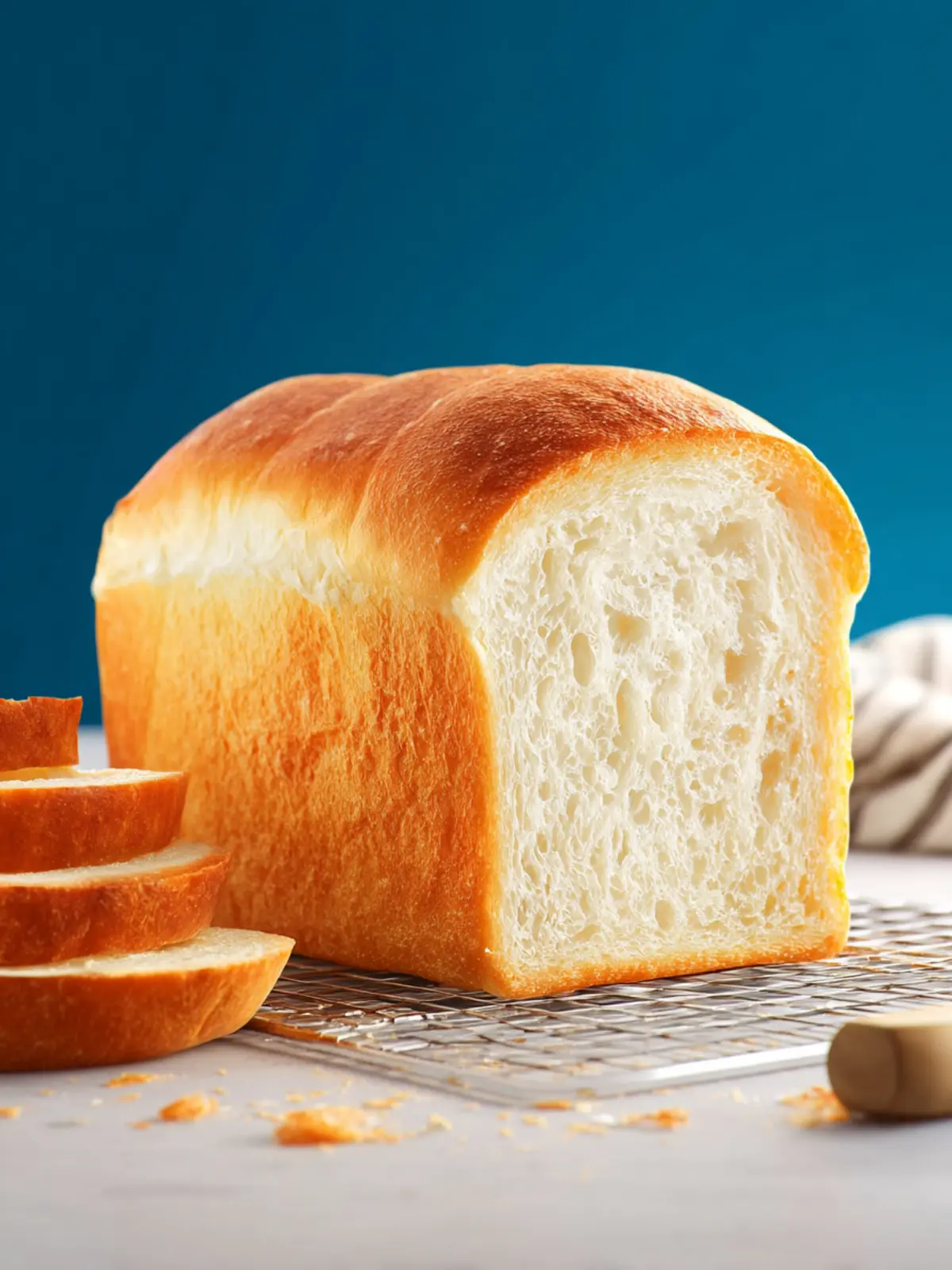
Variations for White Bread
White bread can be a versatile base for creativity in the kitchen. Once you’ve mastered the classic recipe, you might find yourself wanting to experiment with various flavors and ingredients that complement its soft texture and mild taste. Here are some delightful variations to consider:
Herb-Infused White Bread
Add a burst of flavor by incorporating fresh or dried herbs. Rosemary, thyme, or oregano work wonderfully. Simply mix about 2 tablespoons of your favorite herbs into the dough during the mixing phase. This herb-infused loaf makes for a perfect companion to soups or salads.
Whole Wheat Blend
For a heartier option, try substituting half the all-purpose flour with whole wheat flour. This slight adjustment not only enhances the nutritional value of your white bread but also gives it a nutty taste and beautiful color.
Sweet Bread Variation
If you’re in the mood for something a bit sweeter, incorporate sugar, honey, or maple syrup into the dough. You might even consider adding ingredients like chocolate chips, cinnamon, or dried fruit such as raisins or cranberries for a delightful twist.
Seeds and Nuts
For added crunch and nutrition, mix in seeds or nuts such as sunflower seeds, flaxseeds, or chopped walnuts. Aim for about ¼ cup of your chosen seeds or nuts; they’ll add an interesting texture and a boost in flavor to your white bread.
Exploring these variations will not only enhance your baking repertoire but also allow you to enjoy white bread in new and delicious ways!
Cooking Tips and Notes for White Bread
The delightful white bread recipe you’re about to dive into can be a game-changer in your kitchen. As you’re kneading and proving, remember that baking is both an art and a science, which makes every loaf unique.
Use Quality Ingredients
- Flour: All-purpose flour gives a wonderfully soft texture. If you’re after an extra fluffy loaf, consider using bread flour, which has a higher protein content.
- Yeast: Always check the expiration date on your yeast. Fresh yeast can work wonders, helping your bread rise beautifully.
- Salt: It enhances flavor and controls fermentation. Don’t skip it!
Perfecting Your Dough
- Kneading: The dough should be smooth and elastic. A good guideline is to knead for about 10 minutes. If it feels sticky, sprinkle a bit more flour, but be cautious; too much can make the bread dense.
- First Rise: A longer first rise (about 1-2 hours) in a warm, draft-free area can enhance flavor and texture. Don’t rush!
Baking Tips
- Oven Temperature: Preheat your oven to 375°F to ensure the bread bakes evenly. Using an oven thermometer might help maintain accuracy.
- Steam: To achieve a crispy crust, consider adding steam in the first few minutes. Just place a small pan of water in the oven!
With these tips in hand, you’re well on your way to creating scrumptious homemade white bread. Enjoy the process, and don’t forget to savor the delightful aroma filling your kitchen!
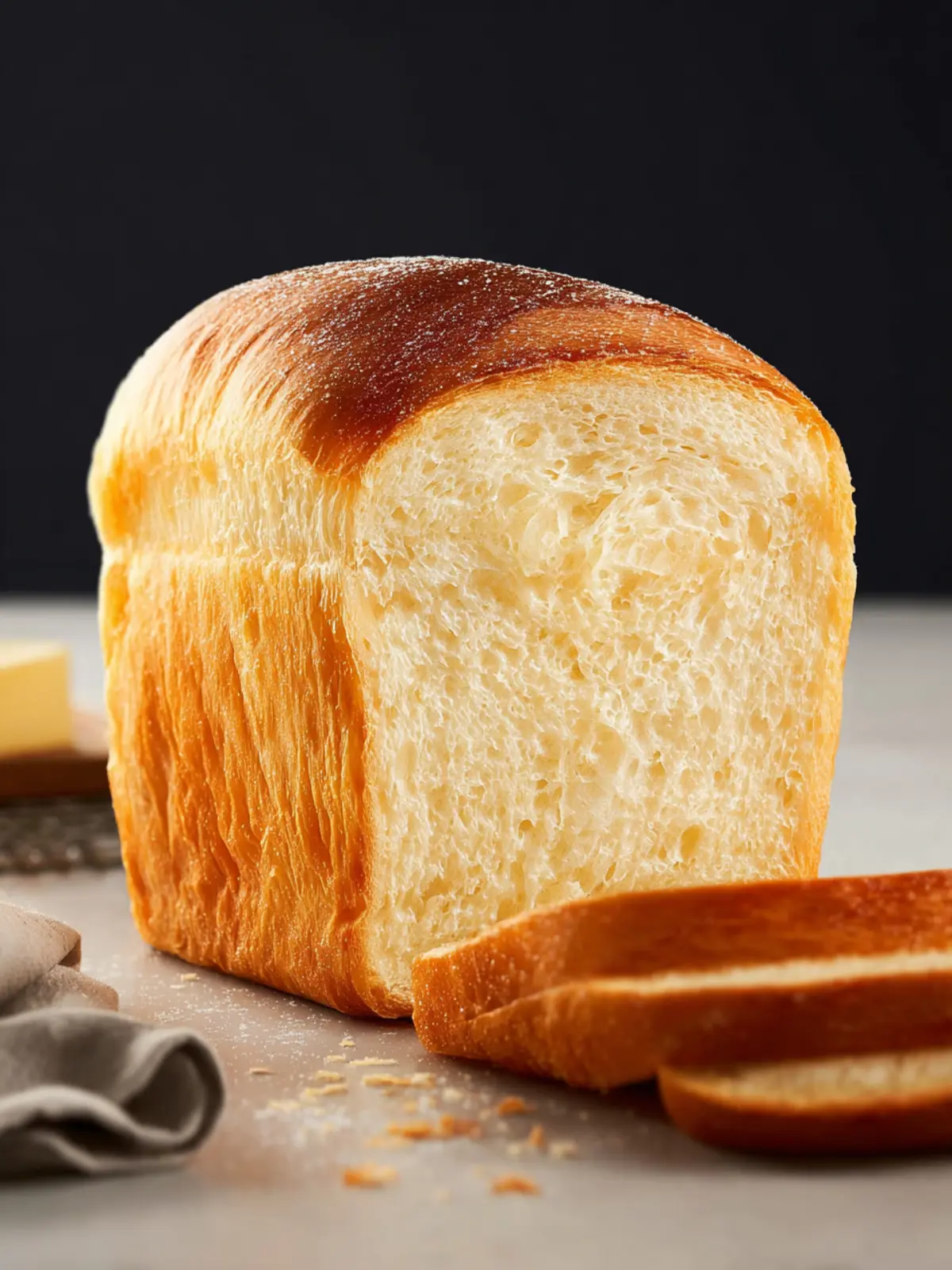
Serving Suggestions for White Bread
There’s something incredibly satisfying about freshly baked white bread. It’s not just about its fluffy texture and golden crust; it’s about how it becomes the foundation for many delicious meals. Picture yourself on a sunny Sunday morning, while the lovely aroma of this beautifully risen loaf fills your kitchen. It’s time to explore the endless possibilities of serving it!
-
Classic Sandwiches: Layer your favorite deli meats, cheeses, and spreads for a delightful lunch. Think turkey with avocado or ham with sharp cheddar. The soft white bread complements bold flavors perfectly.
-
French Toast: Transform slices into a breakfast treat by dipping them in a mixture of beaten eggs, milk, sugar, and cinnamon. Pan-fry until golden and serve with syrup and fresh fruit.
-
Bread Pudding: Use day-old white bread for a rich, custardy dessert. Mixing it with eggs, milk, and spices will make a creamy dish that’s sure to impress.
-
Toast Toppings: Top warm slices with smashed avocado, a sprinkle of salt, or your favorite nut butter for a quick snack that’s both filling and satisfying.
Whether you’re hosting brunch or enjoying a simple meal at home, white bread serves as a blank canvas for your culinary creativity. Enjoy!
Time Breakdown for Making White Bread
When embarking on the journey to create homemade white bread, understanding the timing is essential to ensure you capture the perfect loaf. Here’s a simple breakdown to guide you through the process.
Preparation Time
First up, the preparation time takes about 15 minutes. This includes measuring your ingredients, mixing the dough, and ensuring everything is well incorporated before the first rise.
Rising Time
Once you’ve mixed your dough, let it rise for approximately 1 to 1.5 hours. You’ll want to see it double in size, allowing those flavors to develop nicely.
Baking Time
For the baking phase, set aside around 30 minutes. Preheat your oven, then bake your white bread until it’s golden brown and sounds hollow when tapped.
Total Time
In total, from preparation to the moment you pull that delicious white bread out of the oven, plan for about 2 to 2.5 hours. But trust me, the delightful aroma and taste make it all worth it!
Nutritional Facts for White Bread
When savoring a slice of homemade white bread, it’s important to understand what goes into that delicious loaf. Here are the essential nutritional facts to consider:
Calories
One slice of white bread typically contains around 70-80 calories. This makes it a moderate choice for a quick meal or snack, fitting easily into most daily caloric requirements.
Protein
Surprisingly, this beloved staple provides about 2-3 grams of protein per slice. While it’s not a significant source, it does contribute to your daily intake. Pairing it with protein-rich toppings can amplify your meal’s nutrition.
Carbohydrates
The carbohydrate content in a slice of white bread hovers around 13-15 grams. These carbs provide the energy needed to power through your day, making white bread a comforting and energizing addition to your meals.
Understanding these nutritional facts helps you enjoy white bread while making informed choices!
FAQs about White Bread
When you finally decide to bake homemade white bread, the questions may start to roll in. To help you on your journey to baking the perfect loaf, here are some frequently asked questions that many novice and experienced bakers have.
Can I make this bread gluten-free?
Absolutely! If you’re aiming for a gluten-free version of white bread, you can substitute regular all-purpose flour with a gluten-free all-purpose flour blend. Make sure the blend you choose contains xanthan gum, as this ingredient helps mimic the elasticity of gluten. You might also want to experiment with adding extra moisture by incorporating ingredients like applesauce or yogurt to prevent the bread from being too dense.
How do I store homemade white bread?
After baking, it’s best to let your white bread cool completely on a wire rack. Once cooled, store the loaf in a plastic bag or wrap it tightly in plastic wrap. This keeps the bread fresh for about 3–5 days. If you want to extend the shelf life, slice the bread and freeze it in an airtight container or freezer bag. This way, you can enjoy a slice whenever the craving hits without compromising freshness!
What are some toppings or spreads I can use with white bread?
The versatility of white bread when it comes to toppings and spreads is nothing short of delightful! Here are some ideas to elevate your bread experience:
- Avocado: Spread some ripe avocado and sprinkle with sea salt for a nutritious snack.
- Nut Butter: Peanut butter or almond butter makes for a satisfying breakfast or snack.
- Jam or Jelly: A sweet layer of your favorite fruit jam can bring a smile to any morning.
- Butter and Cinnamon Sugar: A classic combination that brings back childhood memories.
- Hummus: For a savory twist, spread hummus on toast and top with veggies or sprouts.
Baking your own white bread is just the beginning; it’s all about how you enjoy it after that!
Conclusion on White Bread
In the world of baking, white bread holds a special place, evoking memories of warm family gatherings and hearty breakfasts. This versatile loaf not only complements your meals but can also be transformed into delightful sandwiches or toast. After following the detailed white bread recipe, you’ll find that mastering this bread is easier than you thought.
Embrace the simplicity of fresh ingredients, and let the aroma of baking fill your home. Remember, the perfect loaf comes with practice, so don’t hesitate to experiment with textures and flavors. Whether you use it for a classic PB&J or as a base for gourmet sandwiches, your homemade white bread will undoubtedly be a hit!
Print
Homemade Bread
- Total Time: 1 hour 45 minutes
- Yield: 2 loaves 1x
- Diet: Vegetarian
Description
This is a great bread for toast and jams, sandwiches etc.
Ingredients
Scale
- 2 cups water (110°F)
- ⅔ cup white sugar
- 1 ½ tablespoons active dry yeast
- 1 ½ teaspoons salt
- ¼ cup vegetable oil
- 5 ½ cups flour
Instructions
- Dissolve sugar in warm water in a large bowl, and then stir in yeast. Allow to proof until yeast resembles a creamy foam, about 10 minutes.
- In a separate small bowl, mix the oil and the salt together and stir well to combine. Pour this into the yeast mixture.
- Using a stand mixer and dough hook, mix in flour one cup at a time. Let this knead on the low setting for 2-3 minutes, no more. You may have to keep pushing the dough down off the hook as it tends to climb.
- Place the dough in a well-oiled large bowl that is two times the size of the dough, and turn the dough to coat lightly in oil. Cover with a clean damp cloth. Allow the dough to rise in a warm area until doubled in size, about 1 hour.
- Oil two 9×5 loaf pans and set aside.
- Punch the dough down. Knead for a few minutes, and divide the dough in half. Shape into loaves, and place into the oiled loaf pans.
- Place the dough back into the warm area covered by a damp towel and allow it to rise until the dough has risen above the edge of the pan by one inch, about 30-40 minutes.
- Preheat the oven to 350°F while your dough is rising.
- Place the risen loaves in the preheated oven and bake for 30 minutes.
Notes
- Store bread at room temperature for up to 3 days.
- Freezes well for up to 3 months.
- Prep Time: 15 minutes
- Cook Time: 30 minutes
- Category: Baking
- Method: Baking
- Cuisine: American
Nutrition
- Serving Size: 1 slice
- Calories: 120
- Sugar: 3g
- Sodium: 150mg
- Fat: 2g
- Saturated Fat: 0g
- Unsaturated Fat: 1g
- Trans Fat: 0g
- Carbohydrates: 24g
- Fiber: 1g
- Protein: 3g
- Cholesterol: 0mg