
Follow Me On Social Media!
Vegetable Broth: The Ultimate Easy Homemade Comfort Elixir

Introduction to Vegetable Broth
When you think about comfort food, there’s something undeniably soothing about a warm bowl of vegetable broth. Rich in flavor and easy to make, this wholesome broth serves as the backbone of countless dishes, from soups to risottos. Picture yourself on a cold evening, curling up with a steaming mug of this flavorful elixir, instinctively knowing it’s nourishing your body and soul. If you’ve never tried making your own vegetable broth, you’re missing out on a culinary experience that’s both simple and immensely rewarding.
What is vegetable broth and why it matters?
At its core, vegetable broth is a flavorful liquid made by simmering various vegetables, herbs, and spices in water. The beauty lies in its versatility; you can use almost any vegetable you have on hand, transforming scraps into a delicious and nutrient-rich base. Not only is it a fantastic way to utilize leftovers, but it’s also an excellent option for those looking to reduce waste and embrace sustainability in their cooking.
Creating your own broth means you have control over the flavor and ingredients—no preservatives or added sodium found in store-bought options. This is particularly beneficial for young professionals who lead busy lives but still want to prioritize healthy, homemade meals. According to the USDA, homemade broths are often lower in sodium and can be sourced from fresh, organic vegetables for an added nutrient boost.
Here are a few reasons why making your own vegetable broth matters:
- Health Benefits: Using fresh ingredients means you’re also benefiting from the vitamins and minerals that come from the vegetables, which supports overall well-being.
- Customization: Feel free to experiment with your favorite vegetables and herbs; the flavor profile can easily be tailored to suit your tastes.
- Cost-Effective: Making broth at home is surprisingly economical. Those vegetable scraps that usually go straight to the compost can instead turn into liquid gold!
In conclusion, vegetable broth isn’t just a reserve for soup; it is an essential component for aspiring cooks who want to add depth and flavor to their meals while embracing the health benefits of plant-based ingredients. Let’s dive into how you can create this delightful broth at home!
Key Ingredients for Vegetable Broth
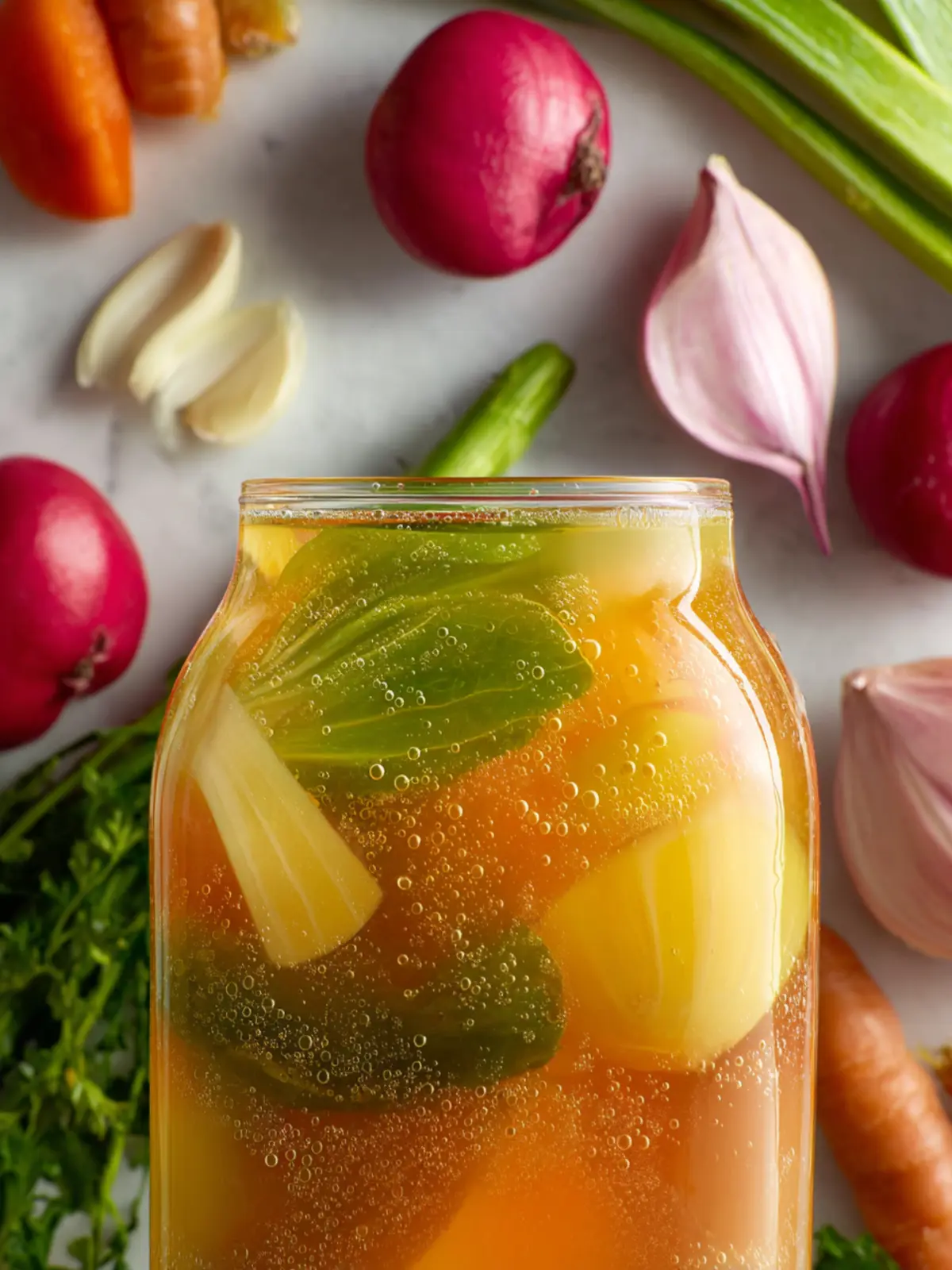
Crafting the perfect vegetable broth brings with it a comforting warmth that transforms any dish. It all starts with quality ingredients that sing together in harmony, forming a rich foundation for countless recipes.
Olive Oil
A splash of olive oil kicks things off beautifully. It not only helps to sauté the vegetables but also adds a rich, fragrant base that enhances the overall depth of flavor. I like to use extra virgin olive oil for its vibrant taste.
Sweet Onions
Next up are sweet onions. Their mild flavor brings a subtle sweetness to the broth, ensuring it isn’t overpowering. Sautéing them until they’re translucent releases their natural sugars, creating a savory warmth.
Carrots and Turnips
Carrots and turnips make for a stellar pairing. The carrots add a touch of natural sweetness, while turnips introduce a slightly earthy note. Together, they create a delightful balance that’s hard to resist.
Tomatoes
Adding tomatoes is a game-changer. They introduce acidity and brightness, making the vegetable broth come alive. Opt for fresh, ripe tomatoes if you can; their flavor is unmatched.
Green Pepper and Celery
Green pepper and celery contribute crunch and freshness. These vegetables infuse their unmistakable aroma into the broth, resulting in a vibrant, lively taste that’s refreshing.
Garlic and Herbs
Garlic is a must for savoriness, while fresh herbs like thyme or parsley offer herbal notes that complete the broth. They elevate the flavor profile, giving it that homemade touch.
Water
Finally, water is the unsung hero of vegetable broth. It’s the medium through which all the flavors meld together. Use filtered water for the cleanest taste, and let it simmer gently to unlock the full potential of the ingredients.
By combining these ingredients thoughtfully, your vegetable broth will be a delicious staple that shines in soups, stews, and more.
Why You’ll Love This Vegetable Broth
There’s something inherently comforting about a vegetable broth simmering on the stove, filling your kitchen with its warm, earthy aroma. This vibrant concoction isn’t just a delicious base for soups and stews; it’s also a versatile friend in the kitchen, waiting to elevate your favorite dishes. Imagine reaching for a hearty, flavorful broth crafted from fresh ingredients, rather than a store-bought option. What a difference it can make!
Nutritious and Flavorful
One of the best things about making your own vegetable broth is knowing exactly what goes into it. Packed with vitamins and minerals from veggies like carrots, celery, and onions, this broth serves as a healthful addition to your meals. Not to mention, it’s completely customizable! Feel free to experiment with herbs and spices to create a brew that resonates with your palate.
Zero Waste, Maximum Taste
Have you ever felt guilty about throwing away vegetable scraps? This broth allows you to embrace the concept of zero waste. Those peels, ends, and stems? Toss them into the pot for rich flavor! In just a couple of hours, you’ll transform simple leftovers into a jar full of delicious liquid gold.
A Kitchen Staple
Lastly, having homemade vegetable broth on hand serves as a creative cornerstone for your culinary endeavors. Whether it’s a cozy soup on a rainy day or a flavor boost for grains, this broth is a staple that brings your meals to life. It’s time to make your cooking journey even more enjoyable and satisfying with this nourishing addition to your kitchen.
Variations on Vegetable Broth
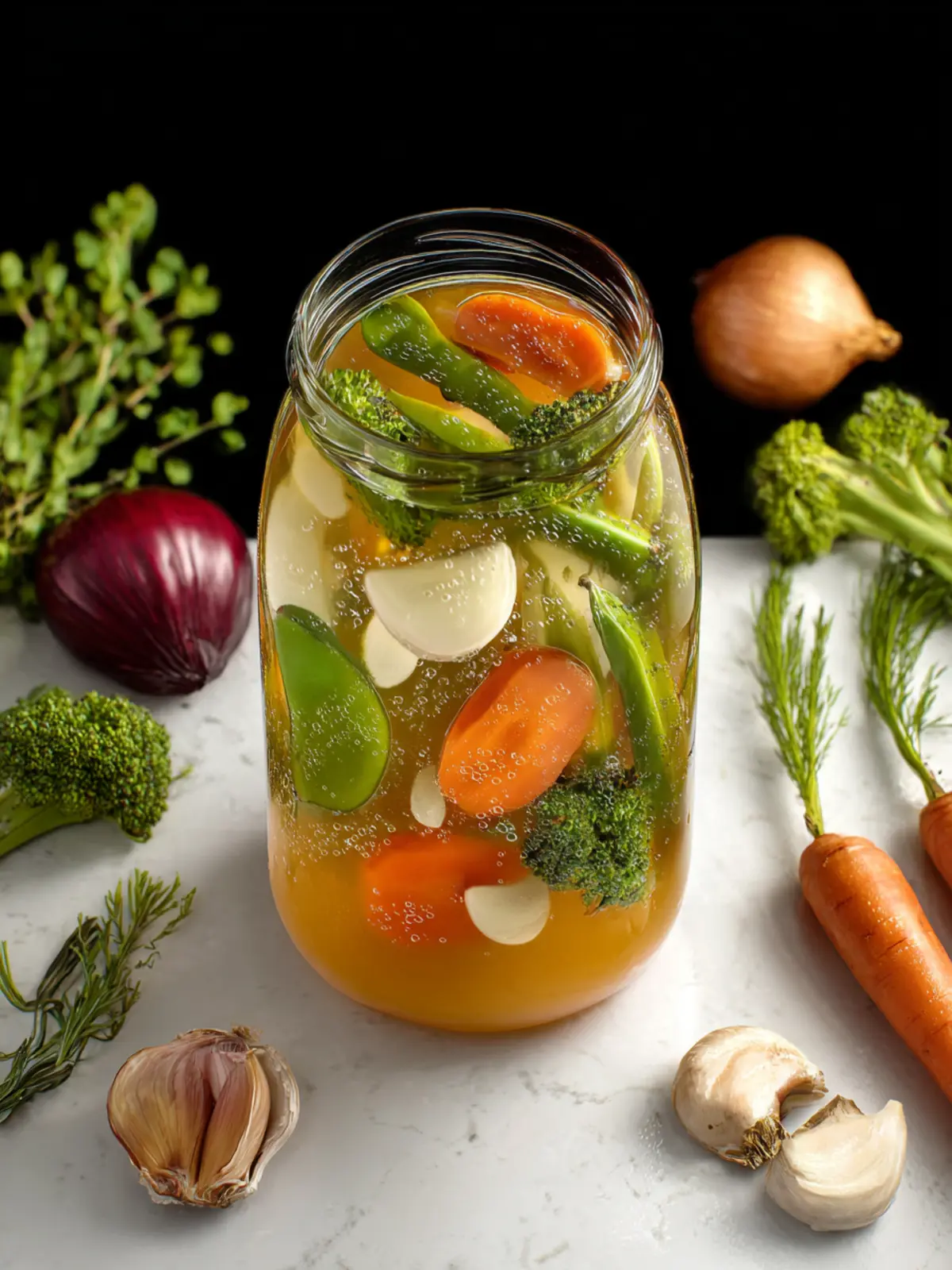
Creating a vegetable broth can be a comforting endeavor, and its versatility can lead to countless variations that suit your taste. Stirring in different ingredients can transform the simplest broth into a distinctive culinary experience.
Spice it Up
Experimenting with spices can elevate your vegetable broth to a whole new level. Consider adding:
- Turmeric: This not only gives the broth a vibrant color but also infuses it with anti-inflammatory properties.
- Cumin: Its warm, earthy flavor can add depth, perfect for those chilly evenings.
Artisan Vegetables
While any vegetable can contribute to a delicious broth, there are a few that stand out:
- Mushrooms: Varieties like shiitake or cremini add an umami kick that brings more complexity.
- Leeks: With their subtle onion flavor, leeks create a mildly sweet and fragrant base.
Herbs Make a Difference
Herbs can be your best friends in improving flavor. Fresh or dried, time-tested combinations include:
- Thyme and Rosemary: These herbs not only give a fragrant aroma but also a pleasant, earthy flavor.
- Parsley: A garnish of parsley right before serving brightens up the broth, making it visually appealing.
A Splash of Acid
A squeeze of lemon or a splash of vinegar just before serving can add a refreshing brightness, balancing out the earthy notes of your vegetable broth.
By exploring these variations, you can create a unique and satisfying vegetable broth tailored to your palate!
Cooking Tips and Notes for Vegetable Broth
Creating a rich, flavorful vegetable broth is a delightful experience, packed with the essence of fresh ingredients that blend harmoniously. Think of it as a warm hug in a bowl—infinitely customizable and wonderfully aromatic.
Choosing the Right Vegetables
The beauty of vegetable broth lies in its versatility. While classics like carrots, onions, and celery are staples, don’t hesitate to experiment. Adding garlic can deepen flavors, and a splash of soy sauce brings a savory umami kick. If you have leftover veggies in the fridge, toss those in too! Just be mindful to avoid strong-flavored vegetables like cabbage or broccoli, as they can overshadow the broth.
Herbs and Spices
Fresh herbs like thyme, parsley, and bay leaves can elevate your broth significantly. For a more complex flavor, consider adding a piece of kombu—a type of edible seaweed. Not only does it infuse your broth with unique tastes, but kombu is packed with nutrients as well.
Simmering Time
To achieve a well-rounded vegetable broth, longer simmering—around 1.5 to 2 hours—is ideal. This allows the vegetables to release their essence fully. Also, remember to skim off any foam that rises to the top during the simmering process for a clearer broth.
Storage Tips
Let your broth cool completely in airtight containers before refrigerating or freezing. It’s perfect for meal prep, as it can last up to a week in the fridge or several months in the freezer. Pouring broth into ice cube trays for easy portioning is another excellent idea!
By following these tips, you’ll create a rich and flavorful vegetable broth that serves as a perfect base for soups, stews, and risottos. Enjoy your cooking adventure!
Serving Suggestions for Vegetable Broth
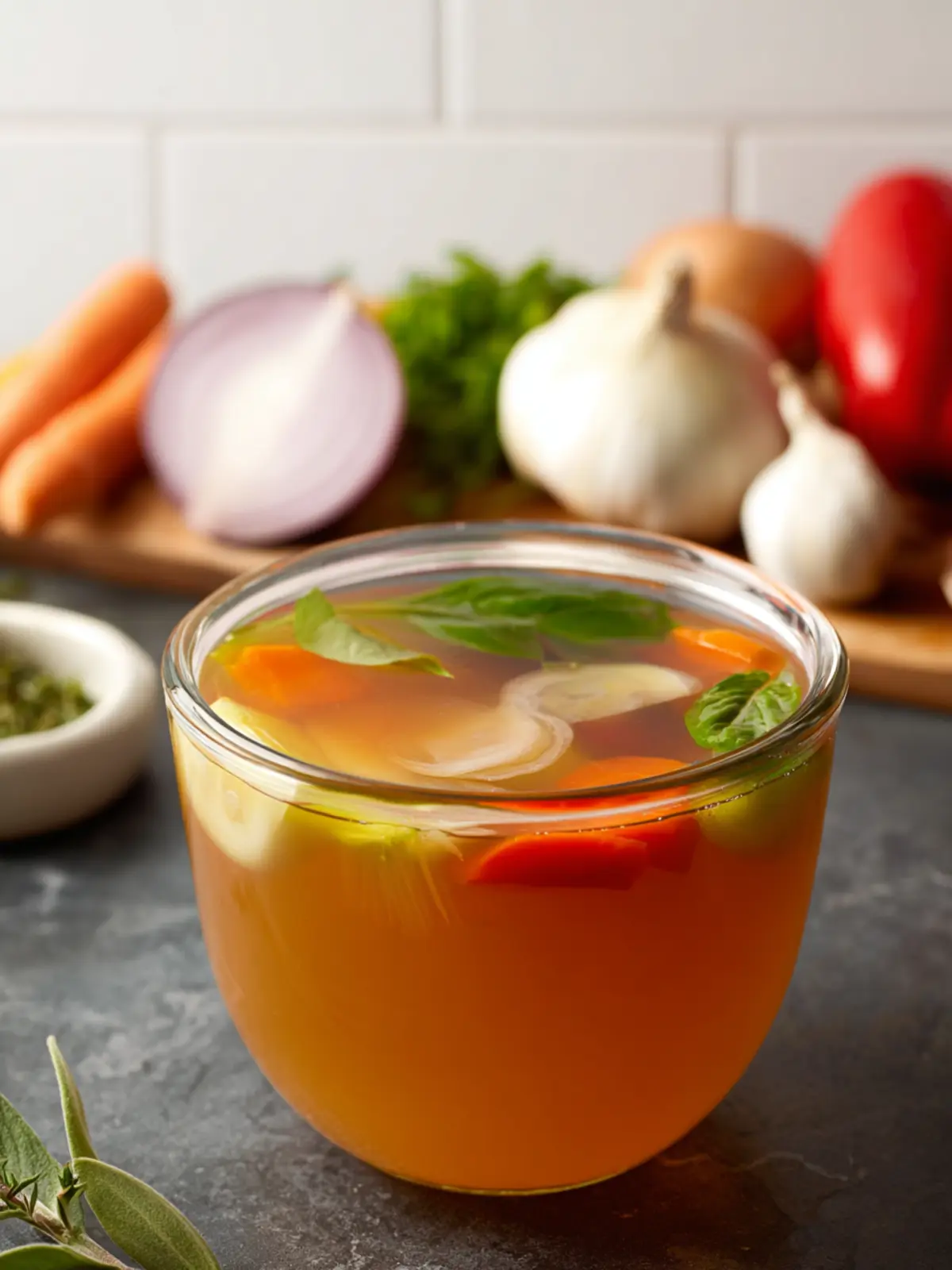
Imagine a cozy evening where a bowl of vegetable broth warms your soul, offering comfort and nourishment in each sip. This versatile brew not only serves as a foundational ingredient but also shines on its own when paired creatively. Here are some delightful serving suggestions that could elevate your vegetable broth experience.
Enjoy it Plain
Sometimes simplicity is key. Sip your vegetable broth warm, perhaps with a sprinkle of herbs like thyme or parsley. This is perfect for cold evenings when you just want to curl up and unwind. A dash of soy sauce or miso can add an extra umami kick, satisfying your taste buds.
Create a Hearty Soup
Transform your vegetable broth into a meal by adding diced vegetables, beans, and grains. Think chunky carrots, tender greens, and some lentils. Cook until everything is tender, and you’ll have a nourishing soup that can be the highlight of any dinner.
Pair with Crusty Bread
Nothing beats the satisfying crunch of crusty bread dipped in warm vegetable broth. Opt for a baguette or sourdough to mop up every drop. This combination is not only delicious but the perfect balance of textures that will elevate your dining experience.
Use as a Cooking Base
Instead of water, use your vegetable broth as the cooking liquid for grains like quinoa or rice. This simple swap adds layers of flavor to your meals, making every dish more robust.
Elevate Your Stir-Fries
Use vegetable broth to deglaze your pan after stir-frying. It enhances the flavors of your vegetables while keeping the dish vibrant and healthy. Plus, it’s a great way to ensure nothing goes to waste!
Incorporating these suggestions can turn your everyday vegetable broth into an extraordinary culinary experience that delights your senses and nourishes your body.
Time Breakdown for Vegetable Broth
Making your own vegetable broth is a rewarding culinary adventure that enhances your dishes with fresh flavors. Knowing how long this process takes can help you plan ahead and enjoy the experience fully.
Preparation Time
Gathering ingredients and chopping vegetables usually takes about 15-20 minutes. This is a great time to practice your knife skills or enlist a friend to speed things up!
Cooking Time
Once everything is prepped, the simmering can take between 45 minutes to 1 hour. This slow cooking allows the flavors to meld beautifully, ensuring a rich and nourishing vegetable broth.
Total Time
In total, you’re looking at about 1 to 1.5 hours from start to finish. It’s a small investment in time for a batch of homemade broth that will elevate your soups, sauces, and many other dishes!
Nutritional Facts for Vegetable Broth
Understanding the nutritional profile of vegetable broth can enhance your cooking experience and health journey. This humble liquid packs in flavors while being light on calories, making it an ideal base for various dishes.
Calories
In a standard serving, vegetable broth typically contains about 10-20 calories. This makes it an excellent choice for anyone looking to create flavorful dishes without adding extra calories.
Protein
You might be surprised to learn that vegetable broth contributes a modest amount of protein, averaging around 1-2 grams per serving. While it’s not a significant source, it can help complement your overall protein intake when combined with other ingredients.
Sodium
Sodium levels in vegetable broth can vary, with homemade versions ranging between 200-500 mg per serving depending on the amount of salt added. It’s wise to taste as you go and adjust for your preferred dietary needs, especially if you’re monitoring your sodium intake.
FAQs about Vegetable Broth
Vegetable broth is a delightful base that elevates everything from soups to risottos. But what happens after you’ve created this culinary treasure? Here are some common questions surrounding vegetable broth, along with helpful tips to enhance your experience.
What can I do with leftover vegetables after making broth?
After simmering your leftover vegetables to extract their flavors for vegetable broth, you might wonder what to do with the remnants. Don’t toss them! These cooked veggies can be used in various ways:
- Puree into a soup: Blend them with some of your broth to create a creamy soup.
- Add to salads or stir-fries: They can add extra nutrients and flavor to your dishes.
- Compost: If they’re too mushy or you’re not using them, composting is a great way to recycle.
How can I customize the flavor of my vegetable broth?
Customizing your vegetable broth can be a fun process. Here are some ideas to make it uniquely yours:
- Herbs and spices: Adding fresh herbs like thyme or bay leaves can work wonders. Spices like peppercorns or a dash of turmeric can introduce warmth.
- Umami boosters: Consider including dried mushrooms, nutritional yeast, or a splash of soy sauce to deepen the flavor profile.
- Citrus notes: A squeeze of lemon or some zest can brighten up your broth beautifully.
Is homemade vegetable broth healthier than store-bought?
Generally, homemade vegetable broth can be healthier. You control the ingredients, meaning you can avoid preservatives and excessive sodium found in many store-bought options. Plus, using a variety of fresh vegetables allows for a broth rich in vitamins and minerals. According to nutritionists, homemade broths can be significantly richer in flavor and nutrition due to the slow extraction process of ingredients.
Embrace these tips, and you’ll enjoy delicious, wholesome vegetable broth that suits your tastes and pantry!
Conclusion on Vegetable Broth
In crafting your vegetable broth, you’re not just preparing a liquid base; you’re creating a flavorful foundation that enhances numerous dishes. This simple yet versatile recipe can elevate soups, stews, and risottos, offering warmth and depth. Consider making a large batch and storing it for when inspiration strikes, saving time on future meals. Remember, the beauty of vegetable broth lies in its adaptability—experiment with seasonal vegetables to make it unique. By savoring every spoonful, you’re embracing wholesome nutrition while supporting a sustainable lifestyle. Happy cooking, and may your vegetable broth nourish both body and soul!
Print
Vegetable Broth
- Total Time: 1 hour 5 minutes
- Yield: 16 cups 1x
- Diet: Vegan
Description
A rich and flavorful vegetable broth made from roasted vegetables.
Ingredients
Scale
- ¼ cup olive oil
- 4 cups sweet onions (sliced medium)
- 3 ½ cups carrots (cut into 1-inch pieces)
- 2 ½ cups tomatoes (cored and cut into wedges)
- 1 green pepper (sliced into 1-inch pieces)
- 2 cups turnips (1 inch cubes)
- 3 cups celery (cut into 1-inch pieces)
- ½ cup fresh parsley (roughly chopped)
- 3 cloves garlic (sliced in 4)
- 5 whole black peppercorns
- 2 sprigs thyme
- 2 bay leaves
- 16 cups water
Instructions
- Preheat the oven to 450°.
- In a large bowl add the onions, tomatoes, carrots, green peppers, and turnips and drizzle with olive oil and stir well to ensure well coated. Place veggies onto a large baking sheet.
- Roast in the oven stirring veggies every 15 minutes, until vegetables are tender and onions are caramelized, about 50 minutes.
- In a large stock pot add the roasted vegetables, water and the rest of the ingredients.
- Bring to a low simmer over medium high heat. Reduce heat to medium-low and continue to simmer, uncovered, until liquid is reduced by almost half, about 30 to 40 minutes.
- Pour the vegetable broth through a cheesecloth or fine mesh strainer into a large bowl. You can eat the vegetables or put them in a freezable container for another use.
Notes
- This broth can be used as a base for soups or cooked grains.
- Store any leftover vegetables in a freezable container for future use.
- Prep Time: 15 minutes
- Cook Time: 50 minutes
- Category: Soups
- Method: Roasting and simmering
- Cuisine: American
Nutrition
- Serving Size: 1 cup
- Calories: 50
- Sugar: 4g
- Sodium: 10mg
- Fat: 2g
- Saturated Fat: 0g
- Unsaturated Fat: 2g
- Trans Fat: 0g
- Carbohydrates: 10g
- Fiber: 2g
- Protein: 2g
- Cholesterol: 0mg