
Follow Me On Social Media!
Nian Gao: Enjoy Chewy Mochi Cake for Good Fortune Today!

Nian Gao: Enjoy Chewy Mochi Cake That Guarantees Good Fortune
What is Nian Gao and its Cultural Significance?
Nian Gao, often referred to as Chinese New Year cake, is not just a delightful dessert; it holds deep cultural significance, particularly in Chinese traditions. The name “Nian Gao” sounds like “年高” in Mandarin, which translates to “year high,” symbolizing the hope for prosperity and growth in the coming year. This chewy, sweet delicacy is made primarily from glutinous rice flour, resulting in its characteristic sticky texture.
During the Lunar New Year, families across China—and indeed, in various parts of the world—prepare and consume Nian Gao to invite good fortune into their homes. It’s more than just a treat; it’s a wish for a better year ahead. Traditionally, this cake is often presented as a gift, symbolizing wealth, progress, and the bond of family unity. Whether served plain, steamed, or pan-fried with a crispy exterior, each bite of Nian Gao encapsulates wishes for happiness and abundance.
Creating Your Own Nian Gao: Key Ingredients
Glutinous Rice Flour: The heart and soul of Nian Gao is glutinous rice flour, which gives it that signature chewiness we all love. It’s essential to use this specific flour rather than regular rice flour, as it ensures the texture is just right.
Water: Simple, yet crucial, water helps to bind the flour and create a smooth batter. The right amount of water makes a big difference in achieving that ideal consistency.
Sugar: I prefer to use granulated sugar, providing just enough sweetness without overpowering the cake’s natural flavor. It complements the rice flour perfectly, creating a harmonious balance.
Mungs Bean Paste: This optional filling is often layered within the cake, offering a delightful surprise to those who take a bite. It adds a unique sweetness and texture that contrasts beautifully with the chewy exterior.
Bananas (or other fruits): Adding sliced bananas can turn the Nian Gao into a more vibrant and flavorful treat. They’re perfect for frying with the cake, enhancing its flavor with a touch of natural sweetness.
Preparing Nian Gao is not just about following a recipe; it’s about embracing tradition, sharing stories, and gathering with loved ones. As you mix the ingredients and smell the sweet aroma wafting from your kitchen, you’re not just making a cake; you’re keeping a cultural legacy alive. Enjoy every chewy bite, knowing each piece is a wish for good fortune and happiness!

Key Ingredients for Nian Gao
Creating an authentic Nian Gao experience hinges on the quality of its ingredients, each of which plays a crucial role in crafting this beloved chewy mochi cake.
-
Glutinous Rice Flour: The backbone of Nian Gao, glutinous rice flour gives the cake its signature chewy texture. Make sure to choose a fine quality flour to ensure a smooth result.
-
Water: This might seem simple, but the purity and temperature of the water can affect the final texture of your cake. Using purified water will help maintain consistency and quality.
-
Sugar: For the perfect sweetness, I opt for granulated sugar. It balances the chewy texture beautifully, making every bite delightful.
-
Oil: I include a splash of oil to enhance the moisture and richness. A neutral oil works best, allowing the natural flavors to shine through without overpowering them.
-
Optional Fillings: While the traditional recipe is delicious on its own, many love to add sweet red bean paste or chopped nuts for added flavor and texture.
With these key ingredients, preparing Nian Gao becomes not just a cooking project but a delightful adventure wrapped in cultural significance.
Why You’ll Love This Nian Gao
Nian Gao isn’t just a dessert; it’s a celebration on your plate. Imagine indulging in a chewy mochi cake that’s steeped in tradition and promises good fortune with every bite. A staple during Lunar New Year, this dish encapsulates the spirit of family gatherings and festive cheer.
Unforgettable Texture
The defining characteristic of Nian Gao is its delightfully chewy texture. Made predominantly from glutinous rice flour, it offers a unique mouthfeel that pulls you in with each bite. It’s the perfect balance of chewy and sweet, making it a standout dessert option.
Customizable Flavors
What’s great about Nian Gao is its versatility. Whether you prefer a classic version or want to mix in ingredients like red beans, nuts, or fruits, the possibilities are endless. You can easily adapt it to suit your taste buds or even experiment with flavors from different cultures.
Symbolic Significance
Beyond its taste, Nian Gao symbolizes progress and prosperity. Eating this cake during celebrations is believed to bring good luck and elevate your fortunes throughout the year. So, as you dive into this delectable treat, you’re not just savoring great flavors; you’re also embracing positive vibes.
In summary, Nian Gao is more than just a cake—it’s a heartfelt experience that connects you with tradition and family while tantalizing your taste buds.

Variations of Nian Gao
Every bite of Nian Gao is rich with tradition, and as we venture into its world, you’ll discover delightful variations that celebrate different flavors and textures. Engaging with this versatile dish opens up countless opportunities for creativity in the kitchen.
Savory Nian Gao
One popular variation includes incorporating savory elements. By blending in shiitake mushrooms, cabbage, and chopped scallions, you create a delightful umami experience. This option is perfect for those who prefer a less sweet version, while still enjoying the iconic chewy texture that defines Nian Gao.
Sweet Red Bean Nian Gao
Another delicious twist involves filling your Nian Gao with sweet red bean paste. The smoothness of the red bean contrasts beautifully with the firmness of the cake. This option can serve as a unique dessert that charms dinner guests.
Matcha Nian Gao
If you’re looking to infuse a modern flair, consider making Matcha Nian Gao. Adding matcha powder not only provides a vibrant green color but also adds a hint of earthy bitterness that complements the cake’s natural sweetness.
Nutty Variations
For a crunchier texture, try folding in chopped nuts such as walnuts or almonds. This will elevate the Nian Gao and provide a delightful surprise in every bite, making it a showstopper at gatherings.
Exploring these variations allows you to experience the joy of Nian Gao in new and exciting ways, ensuring lots of fun in your culinary adventures!
Cooking Tips and Notes
When diving into the art of making Nian Gao, your dough can be the star player, offering that delightful chew and texture that we all adore. Remember, this is a dish steeped in tradition, often enjoyed during the Lunar New Year, symbolizing good fortune and prosperity.
Choosing the Right Flour
For making Nian Gao, it’s essential to select high-quality glutinous rice flour. This flour is what gives the cake its characteristic chewy texture. If you’re feeling adventurous, try blending it with some sweet rice flour. It can enhance the flavor and alter the texture slightly, bringing a unique twist to your creation.
Steaming Technique
Ensure your steamer is set up properly to achieve the perfect cook on your Nian Gao. Wrapping the steaming tray with parchment paper not only helps with clean-up but also prevents the batter from sticking. Keep an eye on the timing; oversteaming can lead to a rubbery texture, while undercooking might leave your cake too soft.
Flavor Additions
While traditional recipes typically keep it simple, don’t hesitate to experiment! Adding a touch of pandan extract or even some grated orange peel can add an exciting flavor profile without overpowering the classic taste. These subtle enhancements can transform your Nian Gao and impress your friends.
Storing Leftovers
If you’re lucky enough to have leftovers, you can store them in the refrigerator for up to a week. When reheating, simply steam them again to bring back that delightful chewiness. This way, you can enjoy your Nian Gao long after the celebrations have ended!
By keeping these tips in mind, you’re well on your way to creating a Nian Gao that not only embodies tradition but also offers a delightful treat for everyone to enjoy. Happy cooking!
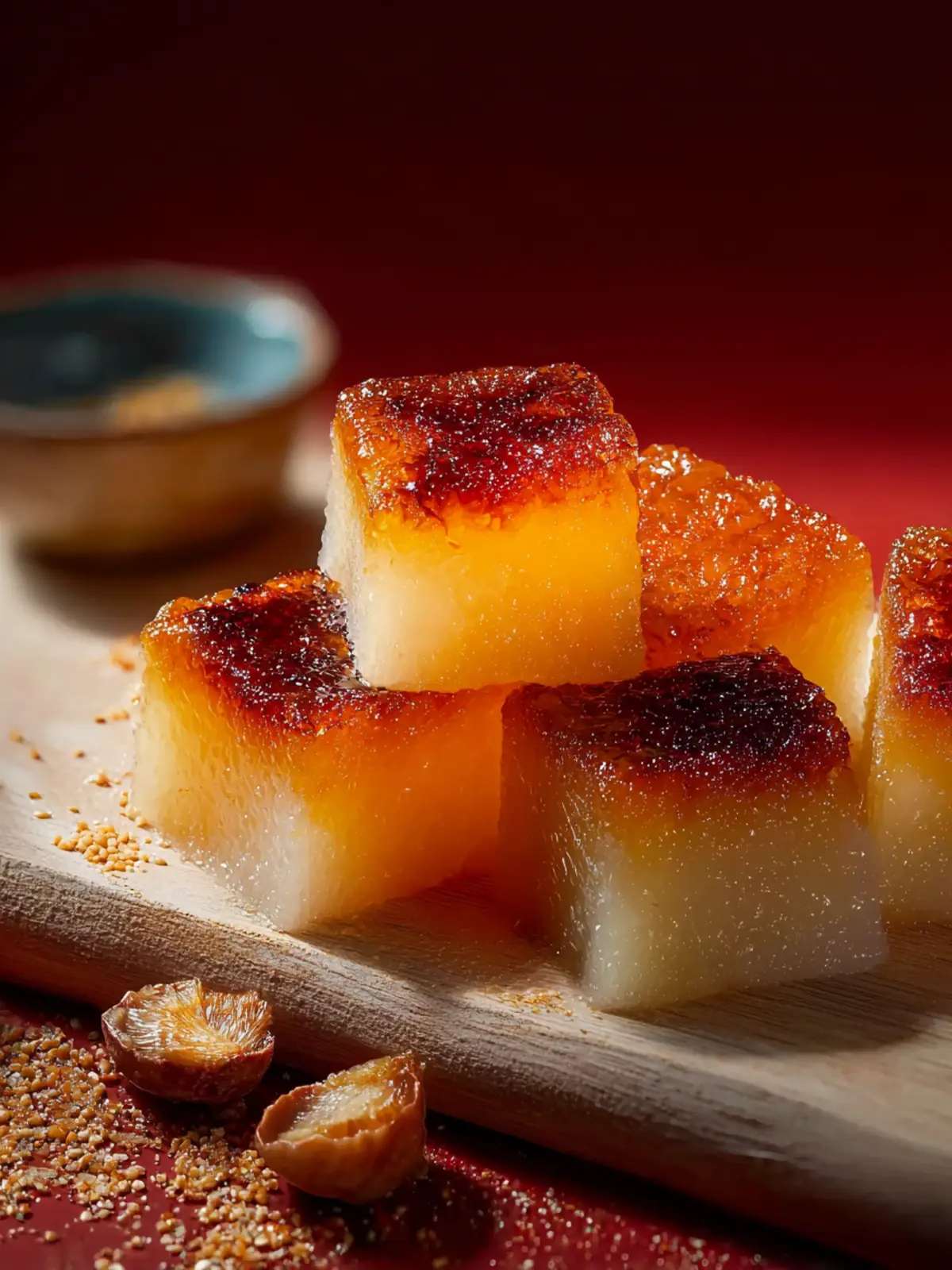
Serving Suggestions for Nian Gao
Creating the perfect setting to enjoy Nian Gao can elevate your experience and make it truly delightful. This chewy mochi cake, often linked to good fortune, pair beautifully with a variety of accompaniments that enhance its flavors.
-
Fresh Fruits: Consider serving your Nian Gao with a side of sliced fresh fruits like mango, strawberries, or even a drizzle of sweetened condensed milk. The juicy freshness complements the chewy texture beautifully.
-
Stir-Fried Vegetables: For a savory twist, serve Nian Gao alongside stir-fried vegetables like bok choy or bell peppers. This creates a balanced meal, combining soft and savory elements with the delightful chewiness of the cake.
-
Sweetened Coconut: Sprinkling shredded coconut or serving it alongside a coconut cream sauce adds an exotic flair that harmonizes with the subtle sweetness of Nian Gao.
-
Tea Pairing: Enjoying this mochi cake with a cup of hot green or jasmine tea can enhance your tasting experience. The tea’s warmth contrasts beautifully with the soft texture of the cake.
These serving suggestions make your Nian Gao experience more memorable, perfect for festive occasions or a cozy gathering with friends.
Time Breakdown for Nian Gao
Understanding the right time to dedicate to making Nian Gao can truly elevate your kitchen experience! It’s more than just a dish; it’s woven into the fabric of celebration and tradition.
Preparation Time
Creating your Nian Gao starts with about 20 minutes of preparation. This includes gathering your ingredients and mixing the sweet rice flour with water to form that delightful, sticky batter.
Baking Time
The magic happens in the oven, where your Nian Gao will bake for approximately 45-50 minutes. This is when it transforms into a beautifully chewy cake, perfect for slicing and sharing.
Total Time
In total, you’ll be spending around 1 hour and 10 minutes from start to finish. It’s a small investment for a treat that guarantees good fortune and joyful moments!
Nutritional Facts for Nian Gao
Understanding the nutritional facts of Nian Gao can help you appreciate this delightful dish even more. Packed with unique ingredients, it’s not only delicious but also offers several health benefits.
Calories:
A typical serving of Nian Gao has about 250 to 300 calories, making it a satisfying yet not overly indulgent treat.
Protein:
With around 4 grams of protein per serving, Nian Gao adds a little boost, helping you feel fuller for longer while enjoying its chewy texture.
Carbohydrates:
Each serving boasts roughly 60 grams of carbohydrates, providing a quick energy source that’s perfect for celebrating or simply enjoying during a cozy night in.
This balance of macronutrients makes Nian Gao a charming choice for festive occasions while still being mindful of your dietary needs. Enjoy every bite knowing it contributes to your moment of joy!
Frequently Asked Questions
Can I make Nian Gao ahead of time?
Absolutely! One of the great things about Nian Gao is its ability to taste just as delightful when prepared in advance. You can make it up to a week ahead and store it in the refrigerator. Just reheat it gently in a steamer or microwave before serving. If you’ve made a large batch, individual portions can be sliced and frozen, too—ideal for enjoying throughout the festive season or on special occasions!
What are some common flavor variations I can try?
Nian Gao can be a canvas for your creativity! Here are some popular variations to consider:
- Sweet Red Bean Paste: Incorporate a layer of sweet red bean paste for added sweetness.
- Coconut Milk: Substitute part of the water with coconut milk for a subtle tropical flavor.
- Matcha: Mix in matcha powder to give your Nian Gao a green tea twist, perfect for matcha lovers.
- Savory Options: For a savory touch, add chopped scallions or diced mushrooms before steaming.
Is Nian Gao gluten-free?
While traditional Nian Gao is made with glutinous rice flour, which is naturally gluten-free, always check the packaging or choose certified gluten-free flour to be safe. This cake is perfect for those seeking gluten-free treats, maintaining that chewy texture without gluten!
Feel free to explore these variations and tips, making your Nian Gao experience as personalized and delightful as possible!
Conclusion on Nian Gao
Nian Gao, with its delightful chewy texture and subtle sweetness, is more than just a dessert; it’s a symbol of prosperity and good fortune, especially during the Lunar New Year. Making this mochi-like cake at home not only brings joy to your taste buds but also enriches your cultural traditions. Remember, the beauty of Nian Gao lies in its versatility—whether you enjoy it plain, stir-fried, or stuffed with delicious fillings, there’s a version for everyone. As you serve this special treat, you’re not just sharing a food item; you’re sharing a piece of history, creating memories, and spreading good luck.
Print
Chewy Coconut Rice Cake
- Total Time: 45 minutes
- Yield: 8 servings 1x
- Diet: Gluten-Free
Description
A deliciously chewy coconut rice cake made from glutinous rice flour, sugar, and coconut milk.
Ingredients
Scale
- 2 cups glutinous rice flour
- 1 cup sugar
- 2 large eggs
- 1 cup coconut milk
- 1 teaspoon baking powder
- 3 tablespoons butter
- 1 teaspoon optional flavorings, e.g. vanilla, sesame, citrus zest
Instructions
- Preheat your oven to 350°F (175°C) and grease a baking dish.
- Whisk together the eggs and sugar in a large mixing bowl until combined and frothy.
- Mix in the melted butter or oil and coconut milk until smooth and creamy.
- Gradually combine the glutinous rice flour and baking powder until you have a thick, lump-free batter.
- Pour the batter into the prepared baking dish and bake for 30-35 minutes until golden.
- Cool the cake for 10-15 minutes before slicing into squares or wedges.
Notes
- This cake is best enjoyed fresh but can be stored in an airtight container for up to 2 days.
- Experiment with different flavorings for a unique twist.
- Prep Time: 10 minutes
- Cook Time: 35 minutes
- Category: Dessert
- Method: Baking
- Cuisine: Asian
Nutrition
- Serving Size: 1 slice
- Calories: 250
- Sugar: 15g
- Sodium: 150mg
- Fat: 12g
- Saturated Fat: 7g
- Unsaturated Fat: 4g
- Trans Fat: 0g
- Carbohydrates: 30g
- Fiber: 1g
- Protein: 3g
- Cholesterol: 70mg