
Follow Me On Social Media!
English Muffin Bread: Easy, Toastable Perfection Awaits

Introduction to English Muffin Bread
Imagine waking up to the aroma of freshly baked bread, with the distinctive nooks and crannies of English muffin bread waiting to be slathered with butter or your favorite jam. This delightful creation embodies the best of both worlds: the ease of bread baking and the texture of classic English muffins.
English muffin bread is a unique, no-fuss loaf that captures the essence of traditional English muffins in a convenient form. Unlike your typical loaf bread, this bread is made without the hassle of shaping individual muffins; it bakes beautifully in a standard loaf pan, making it an ideal choice for busy mornings or casual brunches with friends. The beauty of this recipe lies in its simplicity: just mix the ingredients, pour the batter into the pan, and let the oven do the work.
What sets English muffin bread apart is its texture. While being soft and chewy, the internal structure is wonderfully porous, allowing for that delightful, toasted crunch when sliced. This unique characteristic invites creativity—whether you choose to toast it for breakfast, craft a savory sandwich for lunch, or enjoy it as a standalone snack, the options are plentiful.
Filled with simple pantry ingredients like flour, yeast, and milk, this recipe is not only accessible but also versatile. You can experiment by adding herbs, cheese, or even sun-dried tomatoes for an extra flavor kick that will elevate your dish effortlessly.
As someone who enjoys sharing stories around the dinner table, I’ve found that English muffin bread invites conversations about the simple joys of homemade baking. It’s a wonderful way to bond with friends and family, sharing slices topped with everything from rich cream cheese to zesty avocado.
Let’s dive into the recipe for this delightful English muffin bread and bring this delicious tradition into your kitchen. It’s time to make mornings a little more special!
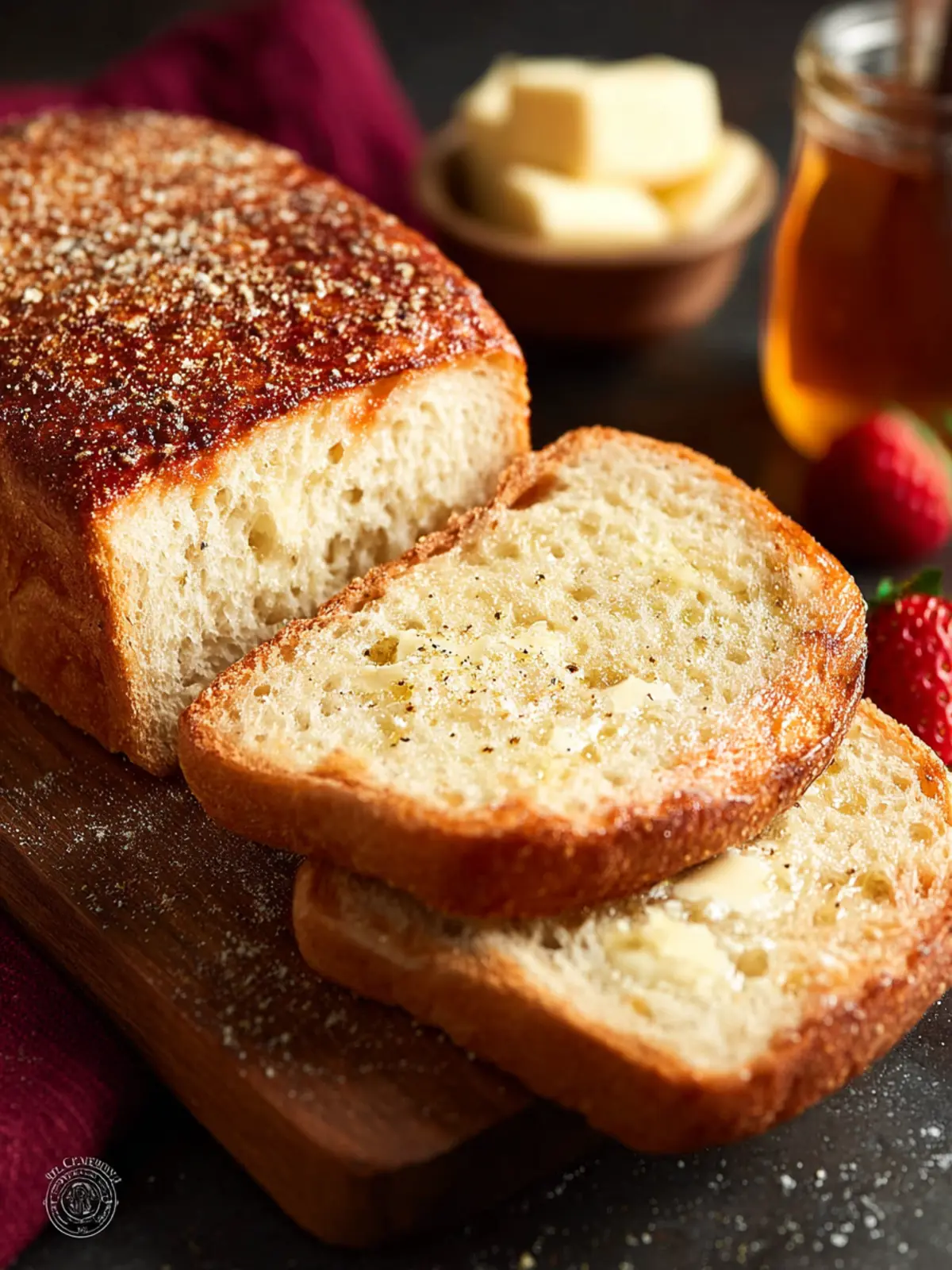
Key Ingredients for English Muffin Bread
English muffin bread is a delightful twist on the classic breakfast favorite, combining the chewy texture of an English muffin with the ease of a loaf. The heart of making this bread lies in selecting the right ingredients to create that signature flavor and texture.
-
Flour: I prefer using bread flour for this recipe. It has a higher protein content, which gives the bread its dense and chewy structure, similar to traditional English muffins. If you need a gluten-free option, a 1:1 gluten-free flour blend can work in a pinch.
-
Yeast: For a perfect rise, I opt for active dry yeast. It gives the bread that inviting fluffiness. Be sure to activate the yeast in warm water and a touch of sugar to bring it to life before mixing it into the dough.
-
Milk: Milk adds moisture and richness. I usually use whole milk, but any milk you have on hand will do. Just remember to warm it slightly to help the yeast thrive as it creates magic in the dough.
-
Salt: A bit of salt is essential, not only for flavor but also to control the fermentation process. It keeps the bread from rising too quickly.
-
Cornmeal: A sprinkle of cornmeal on the baking pan enhances the texture and helps prevent sticking, giving your English muffin bread that authentic feel.
Each of these ingredients plays a vital role in crafting a delicious loaf that’s perfect for toasting, slathering with butter, or piling high with your favorite toppings. Happy baking!
Why You’ll Love This English Muffin Bread
There’s something wonderfully inviting about English muffin bread, isn’t there? This recipe transforms a classic breakfast staple into a versatile loaf that brings an entirely new dimension to your morning routine. Imagine waking up to the aroma of freshly baked bread, crisp on the outside and soft on the inside, ready for you to toast and slather with your favorite toppings.
The Perfect Blend of Flavor and Texture
This English muffin bread is incredibly easy to make and satisfies even the pickiest of eaters. The bread’s texture holds onto butter and jam beautifully, ensuring each bite is bursting with flavor.
- Versatile: Toast it for breakfast, use it for sandwiches, or enjoy it as a side with soup. The options are endless.
- Quick and Easy: Unlike traditional English muffins that require a bit of extra fuss with cooking on a griddle, this loaf comes together easily with just a few simple steps.
The Joy of Homemade
There’s a special sense of accomplishment that comes from baking your own bread. Plus, it makes your kitchen smell divine! With this recipe, you can impress friends or simply enjoy a delightful slice yourself. So, whether you’re a seasoned pro in the kitchen or a novice, this English muffin bread will quickly become your go-to recipe. You won’t just love it – you’ll crave it!
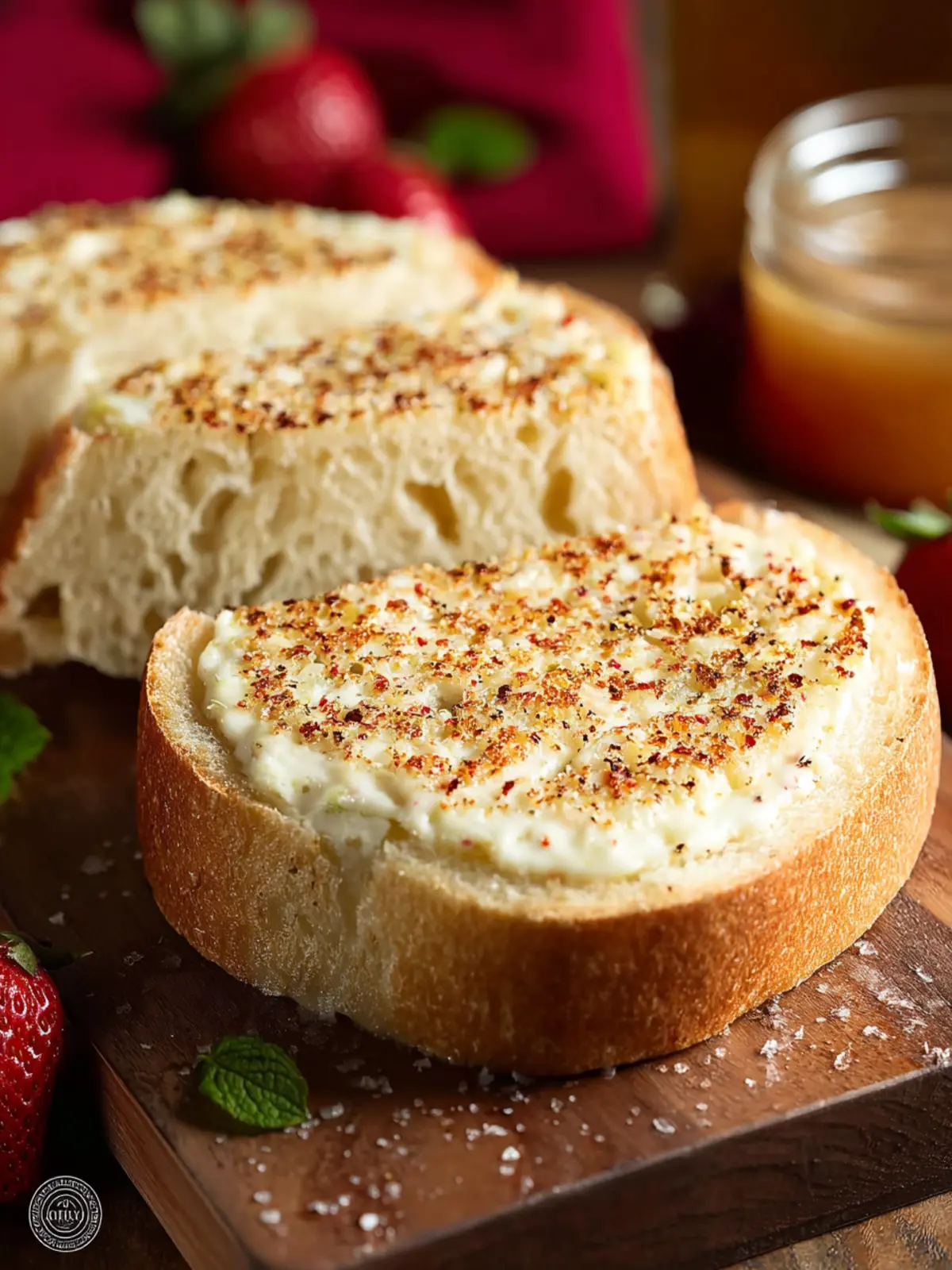
Tips for Making Perfect English Muffin Bread
Creating the ideal English muffin bread is a delightful culinary adventure that can fill your kitchen with warmth and irresistible aromas. To ensure this journey is as smooth as your batter, here are some invaluable tips.
Prioritize Fresh Ingredients
Using fresh ingredients can transform your English muffin bread. Opt for high-quality flour and yeast; this helps in achieving better texture and flavor. Always double-check the expiration dates on your baking essentials!
Master the Dough Consistency
Getting the consistency right is key. Your dough should be soft and sticky, but not overly wet. If it clings excessively to your hands, sprinkle in a touch more flour until it feels just right. A well-hydrated dough is essential for those signature nooks and crannies!
Give It Time to Rise
Patience is crucial. Allow your dough ample time to rise—twice! The initial rise helps develop the flavor, while the second rise ensures your loaf reaches its full potential. Remember, timing can vary based on temperature, so it’s worth keeping an eye on it.
Use a Proper Baking Pan
For the best shape and texture, bake your English muffin bread in a well-greased 9×5-inch loaf pan. The right vessel encourages even cooking and helps maintain the classic shape we love.
Cool Before Slicing
After baking, resist the temptation to slice right away! Letting your bread cool completely allows the texture to stabilize, making it easier to cut without squishing.
By following these friendly yet essential tips, you’ll be well on your way to creating the perfect English muffin bread that’s sure to impress!
Time Details for English Muffin Bread
Creating the perfect english muffin bread involves careful timing, so let’s break down the essential time components to help you achieve that golden, toasty goodness.
Preparation Time
Expect to spend about 15 minutes gathering your ingredients and prepping your bread for mixing. This includes measuring out the flour, yeast, and other essentials.
Mixing and Rising Time
Once mixed, the english muffin bread dough needs approximately 1 hour to rise. This fermentation is essential for developing flavor and texture.
Baking Time
After the dough has risen, it will take about 30-35 minutes in the oven to become perfectly golden and ready for slicing. Trust the aroma that fills your kitchen; it signals a delightful loaf is on its way!
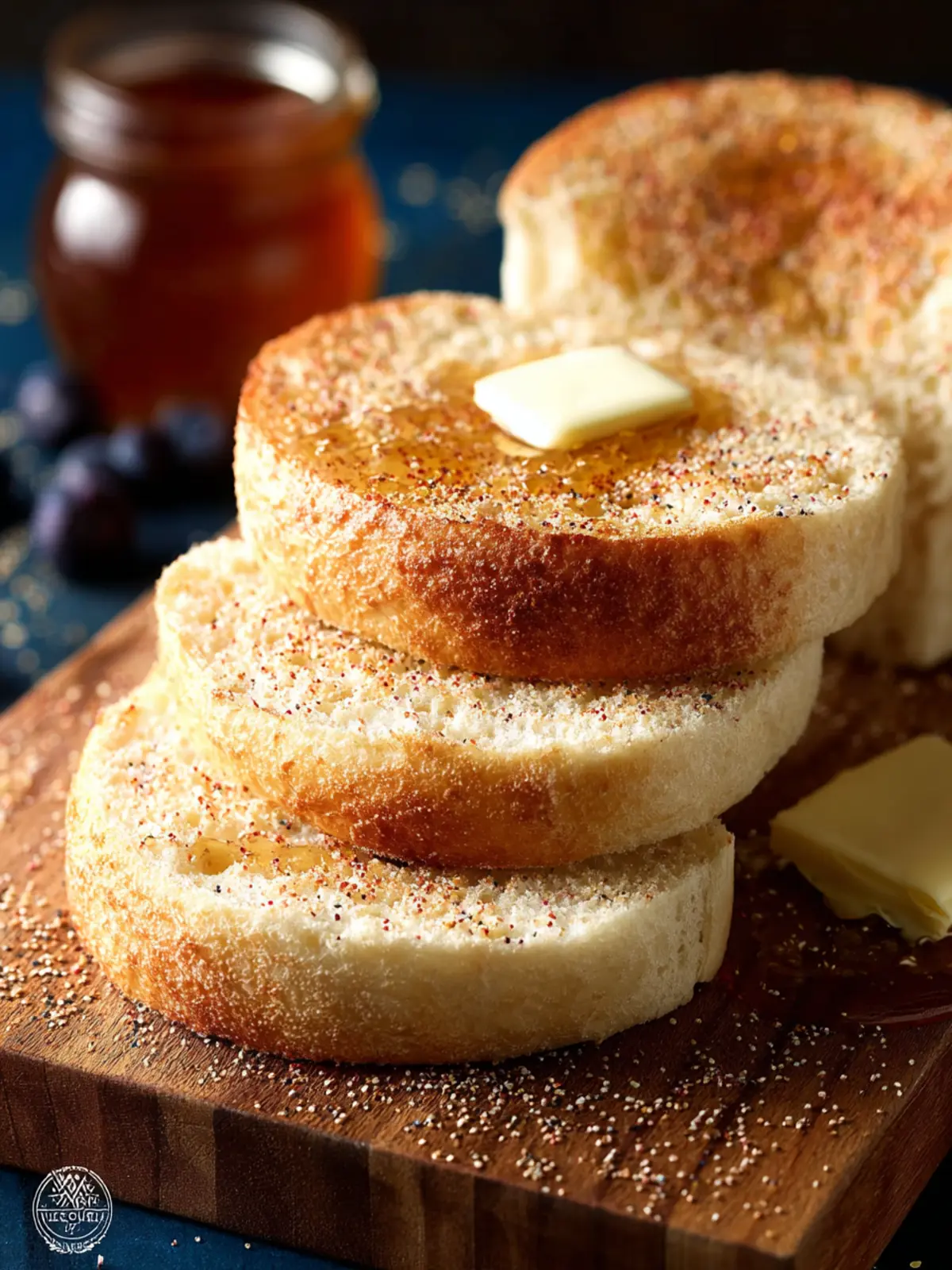
Nutritional Information for English Muffin Bread
Creating English muffin bread is not just a treat for your taste buds but also for your body. Packed with essential nutrients, this delightful bread provides a satisfying way to energize your day. Let’s break down the key nutritional aspects you can expect from a slice of homemade goodness.
Calories
A typical slice of english muffin bread contains approximately 130 calories, making it an excellent choice for a light breakfast or midday snack without feeling overly indulgent.
Protein
Each slice boasts about 5 grams of protein, contributing to your daily intake and helping keep you full for longer. It’s a great way to start your morning on a nourishing note.
Sodium
With only around 180 milligrams of sodium per slice, this bread offers a low-salt option that’s perfect for those monitoring their sodium consumption. You can enjoy it without worrying too much about your heart health.
Understanding these nutritional benefits can enhance your experience and motivate you to dive into this english muffin bread recipe with enthusiasm!
FAQs about English Muffin Bread
Making English muffin bread opens up a delicious world of possibilities in your kitchen, and it’s natural to have a few questions. Here are some common inquiries answered to help you make the most out of your baking adventure.
Can I add herbs or spices for extra flavor?
Absolutely! Adding herbs or spices to your English muffin bread can elevate its flavor profile significantly. Consider mixing in:
- Dried oregano or basil for an Italian twist.
- Rosemary for a fragrant aroma.
- Cinnamon or a sprinkle of nutmeg for a hint of warmth and sweetness.
Experimenting with these ingredients can help you discover a new favorite variation!
How can I store leftover English muffin bread?
Storing your English muffin bread is simple and straightforward. Once it has cooled completely, you can:
- Wrap slices in plastic wrap or aluminum foil.
- Place them in an airtight container.
Keep it at room temperature for up to three days. If you live in a humid area, it might be best to refrigerate it to prevent mold.
Can I freeze English muffin bread?
Yes, freezing is a great option if you want to maintain the freshness of your English muffin bread for longer! Here’s how:
- Slice the bread (if you prefer) and wrap each piece individually in plastic wrap.
- Place the wrapped slices in a freezer bag and remove as much air as possible before sealing.
You can freeze it for up to three months. When you’re ready to enjoy, simply toast the slices from frozen, and they’ll taste just like fresh!
Enjoy your baking and all the delightful meals you can create with your English muffin bread!
Conclusion on English Muffin Bread
In the end, english muffin bread proves to be a delightful addition to any breakfast table or brunch gathering. Its unique texture and flavor are reminiscent of classic English muffins but in a convenient loaf form. As you slice into its crusty exterior, you’ll find a warm, fluffy interior ready to be toasted and slathered with your favorite spreads. Whether you’re enjoying it as a simple morning toast or transforming it into a scrumptious sandwich, this versatile bread is sure to impress. So why wait? Grab your ingredients and start baking—your taste buds will thank you for this delightful treat!
Print
Homemade Bread
- Total Time: 1 hr 40 mins
- Yield: 1 loaf 1x
- Diet: Vegetarian
Description
Delicious homemade bread that can be baked in an oven or a bread machine.
Ingredients
Scale
- ¾ cup whole milk (heated to 110°F (43°C))
- ½ cup water (heated to 110°F (43°C))
- 1 tablespoon unsalted butter (melted)
- 1 tablespoon honey (or granulated sugar)
- 1½ teaspoons table salt
- 3 cups all-purpose flour (or bread flour for a sturdier loaf)
- ⅛ teaspoon baking soda
- 1 teaspoon instant yeast
- 2 tablespoons cornmeal (for oven version only)
Instructions
- In a large mixing bowl, whisk together the flour, baking soda, yeast, and salt.
- Add the warm milk, warm water, honey, and melted butter.
- Mix with a Danish dough whisk or wooden spoon for 3 minutes, until the dough becomes slightly smooth but remains shaggy. Alternatively, mix with a stand mixer fitted with a dough hook on high speed for 2 minutes.
- Grease an 8 ×4 inch (22×11 cm) loaf pan and sprinkle the bottom and sides with 2 tablespoons of the cornmeal.
- Transfer the dough into the prepared pan and smooth the top if needed. Loosely cover with greased plastic wrap.
- Let the dough rise in a warm spot for 1 hour or until the dough reaches the top edge of the pan.
- Preheat the oven to 400°F (200°C). Bake the loaf for 25 minutes or until golden brown and the internal temperature reaches 190°F (88°C).
- Remove from the oven and let cool in the pan for 10 minutes. Then transfer to a wire rack to cool completely before slicing.
- Omit the cornmeal.
- To the bread pan, add the following ingredients in this order: warm milk, warm water, melted butter, honey, salt, flour, baking soda, and yeast.
- Insert the bread pan into the machine and make sure it is secured. Close the lid and plug in the machine.
- Select the basic bread setting, loaf size (small, or 1 lb), and preferred crust color (light, medium, or dark). Start the cycle.
- If you are nearby after the kneading stage and before the dough begins to rise, open the lid and smooth the top of the dough with a damp spatula or clean fingers. This helps avoid an uneven or lopsided loaf, which can happen if the dough is stuck to one side of the pan.
- Once the baking cycle ends, unplug the machine. Wearing kitchen mittens, carefully remove the bread pan and allow it to cool for 10 minutes.
- Turn the loaf out onto a wire rack and let it cool completely before slicing. If the paddle remains in the loaf, gently remove it.
Notes
- For a softer loaf, consider using bread flour instead of all-purpose flour.
- Be careful not to overmix the dough.
- Feel free to customize by adding herbs or spices for flavor.
- Prep Time: 15 mins
- Cook Time: 25 mins
- Category: Baking
- Method: Baking
- Cuisine: American
Nutrition
- Serving Size: 1 slice
- Calories: 150
- Sugar: 1g
- Sodium: 200mg
- Fat: 3g
- Saturated Fat: 2g
- Unsaturated Fat: 1g
- Trans Fat: 0g
- Carbohydrates: 26g
- Fiber: 1g
- Protein: 4g
- Cholesterol: 10mg