
Follow Me On Social Media!
Classic Sourdough Bread: Irresistibly Easy With Starters

Introduction to Classic Sourdough Bread with Starters
There’s something profoundly satisfying about crafting your own classic sourdough bread. The laughter of friends gathered around a warm table, the aroma of freshly baked loaves wafting through your home, and that wonderful first slice—it’s an experience like no other. When you embark on the journey of making sourdough, you’re not just baking; you’re entering a world where patience, science, and art collide.
Classic sourdough bread is special for many reasons, but at its core, it’s about connection. The relationship between you and your starter—the living culture of flour and water—is akin to a friendship built over time. It requires nurturing and understanding, providing a unique taste that commercial breads simply can’t replicate. This bread thrives on wild yeast and bacteria, which create a beautifully complex flavor profile. Each loaf is a reflection of its environment, influenced by flour type, moisture levels, and even the local weather.
But it’s not just about taste; it’s also health. Many who enjoy sourdough report that it’s easier to digest compared to traditional bread. The fermentation process breaks down gluten and phytic acid, making nutrients more accessible to our bodies. As you knead your dough, you’re engaging in a time-honored tradition that traces back thousands of years, connecting with artisan bakers who have come before you.
So, are you ready to roll up your sleeves and dive into the art of classic sourdough bread? With your starter at the ready, it’s time to embrace the delightful challenge of this age-old craft. Gather your ingredients, tap into your creativity, and let’s make some magic happen in the kitchen!
What Makes Homemade Sourdough Bread So Special?
Creating your own classic sourdough bread transcends simple cooking; it’s a labor of love that enriches your life. From the first mix of flour and water to the moment you slice into a perfectly risen loaf, every step is infused with care and artistry.
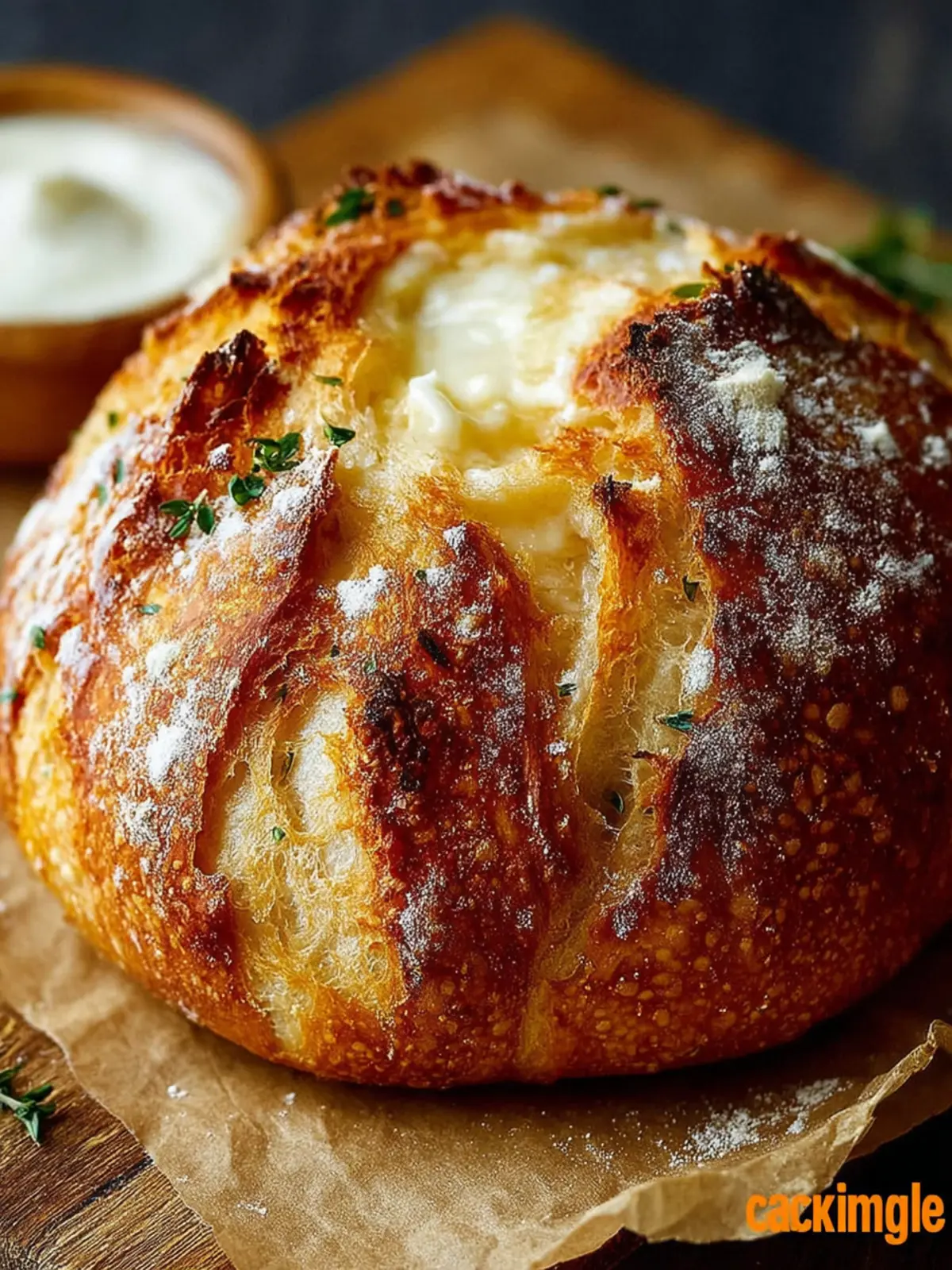
Key Ingredients for Classic Sourdough Bread with Starters
Creating classic sourdough bread is a delightful journey, deeply rooted in traditions and flavors. The magic begins with the right ingredients, each playing a crucial role in the development of that irresistible crust and tangy flavor profile.
Sourdough Starter: Your journey into sourdough starts with a well-cultivated sourdough starter. This living culture of flour and water brings wild yeast and bacteria that ferments the dough, giving it that characteristic tang. Feeding it regularly keeps it active and bubbly—an essential for rising.
Flour: The backbone of any classic sourdough recipe is high-quality flour. Unbleached all-purpose flour provides good strength, while bread flour, with its higher protein content, contributes to a chewier texture. You might even blend them for a balanced result!
Water:Water is more than a simple ingredient; it hydrates the flour, allowing gluten to develop. Use filtered water at room temperature to avoid chlorine, which can inhibit yeast activity.
Salt: This is not merely for flavor; salt strengthens gluten and controls fermentation. It’s vital for the overall structure of your bread, enhancing its taste and longevity.
Each ingredient is an integral part of this rustic loaf, ready to unlock the wonderful world of classic sourdough bread. Happy baking!
Why You’ll Love This Classic Sourdough Bread
Classic sourdough bread opens up a world of culinary delight, where the tangy aroma and crusty exterior promise a comforting experience. Imagine walking into a bakery with the warm scent of freshly baked bread wafting through the air, an experience you can recreate in your own kitchen. The process may seem daunting, but the reward is truly worth every moment spent nurturing your starter and kneading the dough.
The Joy of Baking at Home
-
Nutrition: Sourdough is not just delicious; it’s also easier to digest due to its natural fermentation process. This means that the nutrients are more accessible for your body to absorb—perfect for health-conscious food lovers.
-
Flavor: The layers of flavor you can achieve through the slow fermentation process are unparalleled. Each bite brings the complex, tangy notes that commercial bread simply cannot replicate.
-
Versatility: Whether you enjoy it as toast topped with avocado or served alongside your favorite soup, classic sourdough bread adapts beautifully to any meal.
Once you experience the satisfaction of pulling a loaf of golden-brown sourdough from your oven, you’ll understand why this age-old recipe remains a beloved staple. It’s about more than just baking; it’s about creating memories around the table and savoring the simplicity of homemade goodness. Let’s dive into making your very own classic sourdough bread!
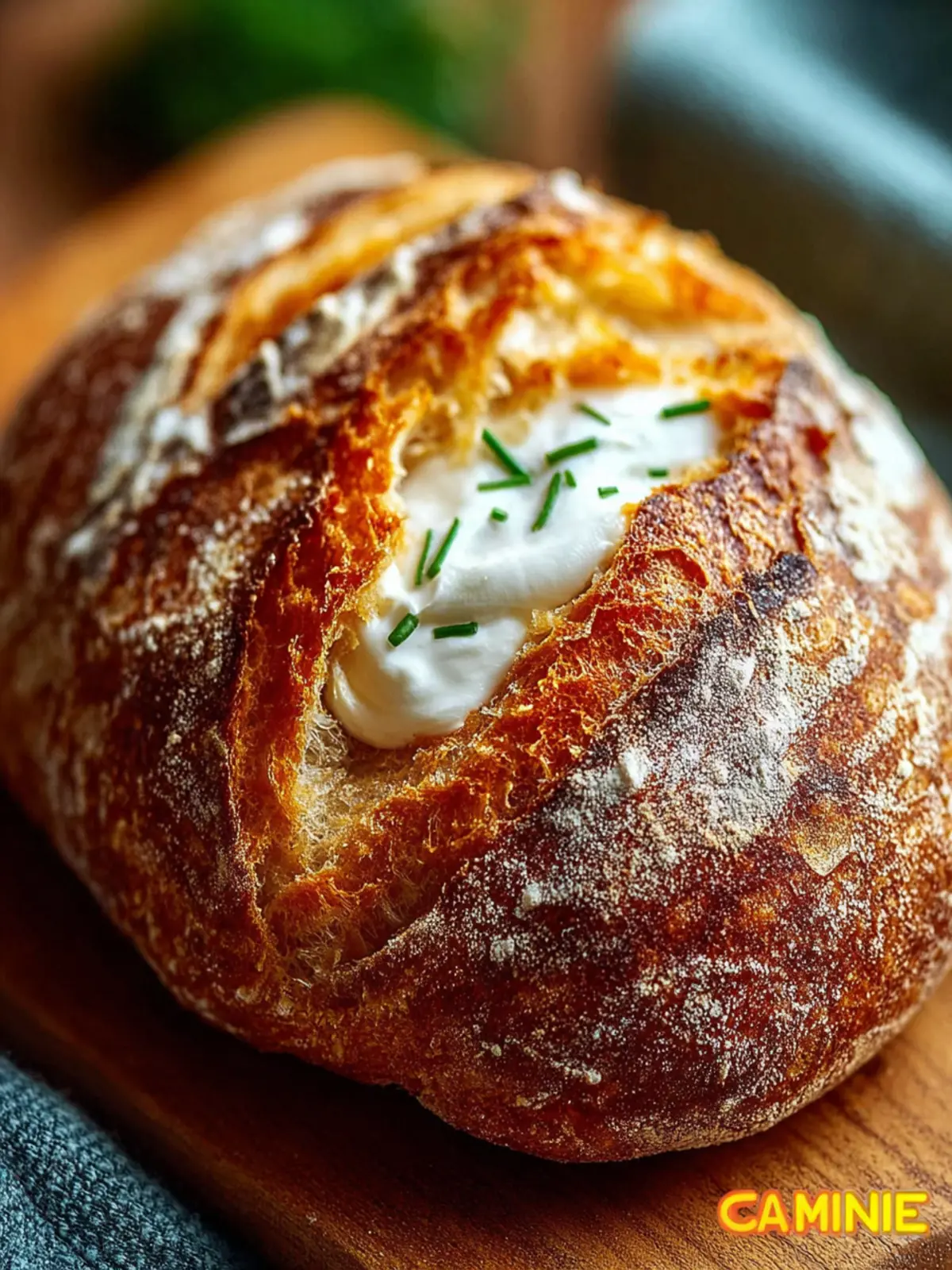
Variations on Classic Sourdough Bread
Exploring classic sourdough bread opens the door to a world of flavor and creativity in your kitchen. While the original recipe holds a special place in many hearts (and stomachs!), modifying it can make baking even more rewarding! Here are some delightful variations to try:
Whole Wheat Sourdough
Switching out some of your all-purpose flour for whole wheat flour adds a nutty flavor and extra nutrition. To ensure a tender loaf, use a 50-50 blend of all-purpose and whole wheat. Your sourdough will not only be heartier but will also have more depth in flavor.
Seeded Sourdough
For an amazing texture and burst of flavor, consider mixing in seeds such as sunflower, pumpkin, or flaxseed. A quarter cup of seeds added to your dough can transform your classic sourdough into a superfood bread that’s perfect for breakfast or a hearty sandwich.
Herb-Infused Sourdough
Craving something aromatic? Infusing your dough with fresh herbs like rosemary, thyme, or even garlic can make for an artisan experience. Just chop finely and fold them into the dough during the stretch and fold phase, allowing those flavors to permeate beautifully.
Cheese Sourdough
If you’re a cheese lover, why not incorporate it? Mixing in shredded cheese like cheddar, gouda, or even feta can provide a delightful richness and savory experience. Just remember to keep your cheese additions to a moderate amount to maintain the bread’s structural integrity.
As you explore these variations, remember that baking is as much about experimentation as it is about following a recipe. So, try these ideas and see where your creativity takes you with your classic sourdough bread!
Cooking Tips and Notes for Classic Sourdough Bread
Baking classic sourdough bread is not just a culinary task; it’s a delightful journey steeped in tradition and flavor. The first thing to embrace is patience. Sourdough demands a bit of time, but the rewards are absolutely worth it. Here are some helpful tips to guide you through the process, ensuring your loaf turns out beautifully every time.
Start with a Robust Starter
Your sourdough starter is the heart of this recipe. Make sure it’s healthy and bubbly before you begin. A starter that has been fed regularly and is at its peak will impart the best flavor and rise to your bread.
Pay Attention to Hydration
Classic sourdough bread benefits from a well-hydrated dough. If your dough feels too dry, consider adding a bit more water gradually. This will help achieve that perfect crust and crumb texture.
Embrace the Art of Autolyse
Allowing the flour and water to sit together before adding salt and starter enhances gluten development. This autolyse process can improve the overall texture of the bread and make it easier to handle.
Temperature Matters
Keep an eye on the temperature of your kitchen. Warm environments help the fermentation process, while cooler spaces slow it down. If your kitchen is too cool, you can create a makeshift proofing box by placing your dough in an oven with the light on.
Experiment and Have Fun
Baking is an art, and every loaf tells a story. Don’t hesitate to experiment with different flour types or add-ins like herbs or seeds. Your classic sourdough bread can be as unique as you are!
With these tips in mind, you’re well on your way to baking a perfect loaf of classic sourdough bread. Enjoy the process, and savor the delicious results!

Serving Suggestions for Classic Sourdough Bread
The journey with classic sourdough bread is just beginning once you take it out of the oven. This artisanal loaf not only stands out for its crunchy crust and chewy interior but also offers endless possibilities for serving. Whether you’re hosting friends or merely indulging in a quiet evening at home, here are ways to elevate your sourdough experience.
Perfect Pairings
- Savory Spreads: Pair your bread with rich butter or herbed olive oil. A sprinkle of sea salt enhances the flavor and highlights the sourdough’s tangy notes.
- Cheeses: Aged cheddar, brie, or goat cheese can all complement the depth of sourdough. Create a cheese platter with fruits like figs or pears for sweetness.
- Avocado Toast: For a healthy twist, mash a ripe avocado onto a slice of warm sourdough. Top it with chili flakes or a poached egg for a filling breakfast option.
Soups and Salads
- Soup Dippers: Serve slices alongside a hearty vegetable or tomato soup. Sourdough’s texture is perfect for dipping.
- Salad Croutons: Dice stale sourdough, season with olive oil, and toast for homemade croutons that add a delicious crunch to your salads.
Sweet Options
- Toast with Jam: Don’t overlook the joy of a slice with your favorite jam or honey. The tang of the sourdough beautifully balances the sweetness.
- French Toast: Use day-old sourdough to make delightful French toast for a brunch treat. Its sturdy nature holds up well to the custard mixture.
No matter how you choose to enjoy your classic sourdough bread, these serving suggestions will elevate your culinary experience, making every slice a delight.
Time Breakdown for Classic Sourdough Bread
Creating classic sourdough bread is a delightful experience that requires a bit of time, patience, and love. Here’s a simple breakdown to help you navigate the process smoothly.
Preparation Time
Set aside about 30 minutes to mix your ingredients, hydrate your starter, and shape your dough. This part is all about gathering ingredients and setting the stage.
Rising Time
The magic happens during the rising phase, which typically takes anywhere from 4 to 12 hours, depending on the temperature and your starter’s strength. Be ready for the dough to become bubbly and double in size!
Baking Time
Once your dough has risen perfectly, you’ll need 30 to 45 minutes to bake it in the oven. The perfect finish will leave you with that golden crust.
Total Time
In total, from preparation to that first warm slice, expect to commit about 5 to 13 hours. It may sound lengthy, but the reward of classic sourdough bread is absolutely worth it. Enjoy the journey!
Nutritional Facts for Classic Sourdough Bread
The journey of baking classic sourdough bread is not just about the delightful aromas wafting from your kitchen; it’s also about what goes into making it nourishing. Understanding the nutritional content can help you appreciate each slice even more.
Calories
One slice of classic sourdough bread typically contains around 80-90 calories, making it a satisfying yet modest choice for your meals.
Protein
With approximately 3 grams of protein per slice, this bread can contribute to your daily protein intake, especially when paired with nutritious toppings like avocado or nut butter.
Carbohydrates
Classic sourdough bread is rich in carbohydrates, offering about 15-20 grams per slice. These carbs are essential for energy, fueling your busy day.
Fiber
Each slice packs in about 1-2 grams of fiber, thanks to the fermentation process that enhances its digestibility. This fiber not only supports your digestive health but also helps you feel fuller longer, making it an excellent choice for any meal.
FAQs about Classic Sourdough Bread with Starters
Creating classic sourdough bread with starters is truly an art, and like any good art form, questions may arise along the way. Here are some frequently asked questions to help guide you toward your perfect loaf.
How can I tell if my sourdough starter is ready to use?
A healthy and bubbly starter is crucial for great classic sourdough bread. To check its readiness, perform the “float test”: take a small spoonful of your starter and drop it in a glass of water. If it floats, it’s aerated and ready to rise your dough! If it sinks, give it more time to ferment and feed it again.
What can I do if my bread doesn’t rise?
If your bread is stubbornly flat, a few factors might be at play. Here’s what to consider:
- Starter activity: Ensure your starter is bubbly and has doubled in size before using.
- Temperature: A warmer environment (around 75°F to 80°F) can encourage a better rise.
- Kneading: Proper kneading develops gluten, essential for trapping gas in your dough.
How do I store my sourdough bread?
To keep your classic sourdough bread fresh, store it in a paper bag at room temperature for 1-2 days. For longer storage, slice your bread and freeze it in an airtight bag. Just toast or reheat slices when you’re ready to enjoy!
Can I use whole wheat flour for this recipe?
Absolutely! Incorporating whole wheat flour can add a nutty flavor and boost nutritional value. However, it may require slightly more water, so monitor your dough consistency as you mix and knead. Many bakers enjoy the unique taste and texture whole wheat brings to classic sourdough bread.
Conclusion on Classic Sourdough Bread with Starters
In our journey to create the classic sourdough bread, we’ve uncovered the profound beauty behind each ingredient and technique. This bread isn’t just a recipe; it’s an experience that brings friends and family together. As you knead, shape, and wait patiently for the dough to rise, remember that each step holds the promise of deliciousness. The fermented notes of the starter combine harmoniously, offering a unique flavor profile that commercial bread simply can’t match. Embrace this culinary adventure, and enjoy the process. Your homemade classic sourdough bread will not only nourish your body but also warm your heart. Happy baking!
Print
Sourdough Bread
- Total Time: 6 hours 40 minutes
- Yield: 1 loaf 1x
- Diet: Vegetarian
Description
A delicious homemade sourdough bread recipe that requires a few simple ingredients and time.
Ingredients
Scale
- 120 g active sourdough starter
- 375 g bread flour
- 275 g water
- 8 g salt
Instructions
- Feed your starter 4–6 hours before baking, ensuring it’s bubbly and passes the float test.
- Mix flour and water until fully incorporated. Let rest for 45 minutes (autolyse).
- Add starter and salt to the dough. Mix thoroughly with a pinching motion.
- Perform 4–5 sets of stretch and folds over 3 hours. Let rise until puffy.
- Turn dough onto a floured surface and shape into a round or oval loaf.
- Place into a floured proofing basket. Cover and refrigerate for 12–16 hours.
- Preheat oven to 475°F with Dutch oven inside for at least 30 minutes.
- Turn dough out onto parchment. Score and bake covered for 20 minutes.
- Remove lid and bake for another 20–25 minutes until golden.
- Cool on a wire rack for at least 1 hour before slicing.
Notes
- Ensure your sourdough starter is active and bubbly for the best results.
- This bread can be served with various toppings or enjoyed plain.
- Prep Time: 6 hours
- Cook Time: 40 minutes
- Category: Breads
- Method: Baking
- Cuisine: American
Nutrition
- Serving Size: 1 slice